
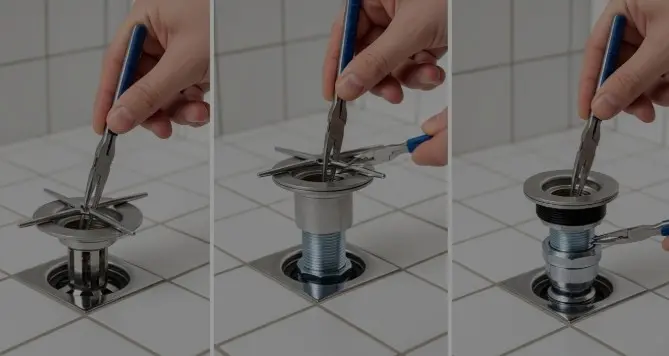
Removing a shower drain can feel like a daunting task, especially when there are no visible screws to loosen. Screwless drains are designed for a sleek, modern look, but this design can make maintenance and replacement tricky if you don’t know the right methods. Fortunately, with the correct approach, tools, and safety precautions, you can remove a shower drain without screws efficiently and safely.
In this guide, we’ll cover everything you need to know, including the types of screwless drains, instructions, comparison of removal methods, and expert tips to ensure a smooth process. Whether you’re a DIY enthusiast or a homeowner tackling a bathroom project, this article will equip you with all the knowledge required.
Short Answer: Removing a Shower Drain with No Screws
If you’re looking for the fastest solution, here’s the short answer:
Screwless shower drains are typically secured using slip-fit connections, adhesive, or a pop-up mechanism. To remove them, you’ll need tools like pliers, a drain key, or a flathead screwdriver. Start by removing the drain cover, then identify whether the drain is glued, fitted, or a pop-up. Carefully loosen any adhesive and use the appropriate tool to twist or lift the drain out. For stubborn drains, a utility knife or oscillating tool may be necessary to cut through caulk or adhesive.
Common scenarios include:
- Slip-fit drains: Typically twist out with a drain key or pliers.
- Glued or caulked drains: Require cutting through caulk or adhesive carefully.
- Pop-up drains: Often need a combination of lifting and twisting using specialized tools.
Always wear gloves, protect the surrounding area, and proceed cautiously to avoid damaging your shower floor or plumbing.
Understanding Shower Drains Without Screws
What Is a Screwless Shower Drain?
A screwless shower drain, as the name suggests, doesn’t rely on visible screws to hold it in place. Instead, these drains use a combination of slip-fit designs, adhesive, or snap-fit mechanisms. The advantages of screwless drains include:
- Sleek, modern appearance with no visible hardware.
- Reduced leakage risk since screws can sometimes compromise waterproofing.
- Ease of cleaning due to a flat, unobstructed surface.
Common materials include stainless steel, chrome, and PVC, with brands like Oatey, Kohler, and DuraDrain often producing screwless models.
Why Some Drains Don’t Have Screws
Manufacturers have shifted toward screwless drains to enhance bathroom aesthetics and minimize leaks. However, the absence of screws can make removal more challenging, especially for DIYers. Without the ability to simply unscrew the drain, alternative methods such as twisting, prying, or cutting caulk are necessary.
Challenges include:
- Risk of scratching the shower floor or tile.
- Potential damage to the drain pipe if excessive force is used.
- Difficulty in identifying whether the drain is glued, slip-fit, or pop-up.
Safety and Precautions Before Removal
Before attempting to remove a screwless shower drain, take the following precautions:
- Shut off water supply to prevent accidental flooding.
- Clear the area around the drain to provide ample workspace.
- Wear gloves and safety glasses to protect against sharp edges and tools.
- Use protective padding for the tub or shower floor to prevent scratches or chips.
Common Methods to Remove a Shower Drain with No Screws
Using a Drain Removal Tool / Drain Key
A drain key, sometimes called a drain removal tool, is designed specifically to fit into the cross slots of a drain and twist it out.
How to use it:
- Insert the drain key into the drain’s center slot.
- Turn counterclockwise to unscrew the drain from the pipe.
- Lift out the drain once it’s loose.
This method is typically the easiest for standard slip-fit drains and reduces the risk of damaging surrounding materials.
Prying with a Flathead or Pliers
For drains that are slightly loose but don’t have screw fittings, a flathead screwdriver or pliers can be used to gently pry and lift the drain.
Tips:
- Work slowly to avoid scratching the shower surface.
- Apply gentle leverage under the lip of the drain.
- Avoid forcing the drain if it resists; switch to a cutting method instead.
This method works best on older or non-glued drains.
Cutting Through Caulk or Adhesive
Some screwless drains are glued or heavily caulked into place. In these cases, you’ll need to cut through the adhesive carefully.
Tools required:
- Utility knife or oscillating tool.
- Thin putty knife or scraper.
Steps:
- Score the caulk around the drain with a utility knife.
- Gently cut through adhesive without damaging the shower surface.
- Lift the drain out once the adhesive is loosened.
This method requires patience but is effective for stubborn drains.
DIY Alternatives
If specialized tools aren’t available, you can attempt household alternatives:
- Use needle-nose pliers to grip and twist the drain.
- Try a flathead screwdriver to gently lift or twist the drain.
- For emergency removal, a small wrench can sometimes rotate the drain enough to loosen it.
Always exercise caution, as these methods have higher risk for damage.
Step-by-Step Guide: How to Remove a Shower Drain with No Screws
- Prepare your tools and safety gear, gloves, pliers, drain key, flathead screwdriver, utility knife.
- Remove the drain cover or grate to expose the main drain.
- Identify the type of attachment – determine if it’s slip-fit, glued, or a pop-up drain.
- Loosen adhesive or caulk around the drain using a utility knife or scraper if necessary.
- Use a drain key, pliers, or flathead to remove the drain carefully.
- Clean the drain opening and inspect for damage to the pipe or surrounding surface.
- Optional: Prepare the area for replacement or repair with new caulk, adhesive, or a new drain assembly.
Following this process ensures that the drain is removed safely and prepares the area for any replacement work.
Comparison Table: Methods to Remove a Shower Drain with No Screws
| Method | Tools Needed | Difficulty | Best For | Risks |
|---|---|---|---|---|
| Drain Key / Removal Tool | Drain key, pliers | Easy | Standard slip-fit drains | Minimal if used correctly |
| Flathead Prying / Pliers | Flathead screwdriver, pliers | Moderate | Loose or non-glued drains | Can scratch tub or damage pipe |
| Cutting Caulk / Adhesive | Utility knife, oscillating tool | Hard | Glued or stubborn drains | High risk of surface damage |
| DIY Household Method | Screwdriver, wrench | Moderate | Emergency / no tools | Less precise, possible damage |
This table helps readers quickly determine the most suitable method for their drain type and skill level.
FAQs About Removing a Shower Drain with No Screws
1. Can I remove a shower drain without damaging the tub?
Yes, by using proper tools and gentle techniques like a drain key or careful prying, you can remove the drain without scratches or cracks.
2. What is the easiest way to remove a glued shower drain?
The easiest method is to cut through the caulk or adhesive using a utility knife or oscillating tool before lifting the drain.
3. Do I need professional help for pop-up drains?
Not always, but if the drain is stuck or integrated with complex plumbing, a plumber can prevent damage.
4. Can I reuse a shower drain after removal?
Yes, if the drain is not damaged during removal. Clean it thoroughly and ensure proper sealing before reinstalling.
5. How do I know if a drain is glued or just stuck?
Inspect the edges; visible caulk indicates adhesive. Resistance to twisting without loosened caulk typically suggests a glued drain.
6. Are there special tools for screwless drains?
Yes, a drain key is specifically designed to remove slip-fit or screwless drains efficiently.
7. How long does it take to remove a shower drain with no screws?
Depending on the type, removal can take 15–45 minutes for standard drains and up to an hour for glued or pop-up drains.
8. What precautions should I take to avoid leaks after removal?
Ensure the opening is clean and undamaged, apply fresh plumber’s putty or silicone sealant, and securely reinstall the new drain.
Conclusion
Removing a shower drain with no screws is entirely manageable with the right approach. Whether your drain is slip-fit, glued, or a pop-up model, understanding the type of attachment and using the proper tools will make the process efficient and safe. Always prioritize protective measures, take your time with stubborn drains, and inspect the area for damage before replacement.
By following the guide and comparing the different removal methods, you can confidently remove any screwless shower drain without causing damage. Whether for maintenance, repair, or replacement, this knowledge ensures your bathroom project proceeds smoothly and professionally. For professional installation of kitchen visit The Kitchen Consultants.