
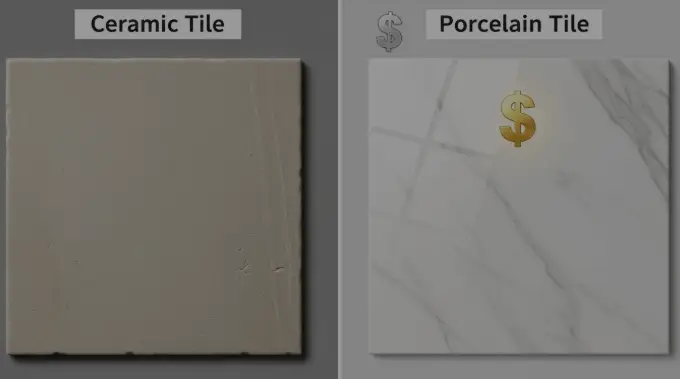
When planning a kitchen, bathroom, or any flooring project, one of the first decisions homeowners face is choosing the right type of tile. You can ask for free suggestions over a call from The Kitchen Consultants, Two of the most popular options are ceramic and porcelain tiles, but many people wonder: which is more expensive ceramic or porcelain tile? The choice isn’t just about price it impacts durability, maintenance, and the overall look of your space. Understanding the cost differences before making a purchase ensures that your renovation stays within budget while delivering long-lasting results.
Short Answer: Which is More Expensive Ceramic or Porcelain Tile?
The short answer is that porcelain tile is generally more expensive than ceramic tile. While both are made from clay and fired in kilns, porcelain is denser, less porous, and more durable. These characteristics increase production costs and, ultimately, the price for consumers.
Factors affecting cost include:
- Material quality and durability
- Tile size and thickness
- Finish and design complexity
- Brand and whether the tile is imported
Real-life example: A 100 sq. ft. porcelain kitchen floor can cost around $1,200, whereas the same area covered with ceramic tiles might cost approximately $800. While porcelain is pricier, it offers better longevity and is ideal for high-traffic areas like kitchens and bathrooms.
Understanding Ceramic and Porcelain Tiles
What is Ceramic Tile?
Ceramic tiles are made from a mixture of clay and other natural materials, fired at high temperatures. They are often glazed to create a smooth, decorative surface.
Typical uses:
- Kitchen backsplashes
- Bathroom walls
- Light-traffic floors
Pros:
- Affordable and widely available
- Easy to install
- Comes in a wide range of colors and patterns
Cons:
- Less durable than porcelain
- More prone to chipping and water damage
Example: Installing a ceramic backsplash in a modern kitchen typically costs $5–$10 per sq. ft., making it an economical way to refresh your kitchen’s look without breaking the bank.
What is Porcelain Tile?
Porcelain tiles are made from a more refined clay and fired at higher temperatures than ceramic, resulting in a denser, harder material that is less porous and highly durable.
Typical uses:
- Kitchen and bathroom floors
- High-traffic areas
- Outdoor patios
Pros:
- Extremely durable and resistant to wear
- Low water absorption, ideal for wet areas
- Wide variety of styles, including polished, matte, and textured
Cons:
- More expensive than ceramic
- Installation is more labor-intensive
Example: A porcelain kitchen floor for heavy-use areas can cost $10–$20 per sq. ft., but it can last decades with minimal maintenance.
Factors That Affect the Cost of Tiles
Material Quality and Durability
Porcelain’s higher density and water resistance increase production costs, while ceramic is easier and cheaper to manufacture.
Size and Thickness of Tiles
Large-format tiles or extra-thick porcelain tiles can significantly increase the installation cost compared to standard-sized ceramic tiles.
Finish and Design Options
Tiles with specialized finishes, patterns, or textures cost more. Polished porcelain and designer ceramic tiles are prime examples.
Brand and Import Costs
Premium brands or imported tiles are priced higher than local options, affecting overall project costs.
Choosing Between Ceramic and Porcelain Tiles
Step 1: Determine Your Budget
Establish a clear budget for both materials and installation to guide your selection.
Step 2: Identify the Room and Usage
Choose porcelain for high-traffic areas like kitchens and bathrooms; ceramic works well for walls or low-traffic areas.
Step 3: Consider Durability Needs
Porcelain is best for long-term durability, while ceramic may suffice for decorative or less-used spaces.
Step 4: Choose Style and Finish
Consider color, pattern, and surface finish to match your design vision.
Step 5: Calculate Total Costs
Factor in material, installation, and maintenance. Porcelain may have higher upfront costs but lower long-term replacement costs.
Step 6: Make the Final Decision Based on Cost vs. Longevity
Balance your budget with your expectations for durability, style, and room usage.
Ceramic vs Porcelain Tile Costs and Features
| Feature | Ceramic Tile | Porcelain Tile |
|---|---|---|
| Average Cost per sq. ft. | $3–$10 | $5–$20 |
| Durability | Moderate | High |
| Water Resistance | Low–Moderate | High |
| Ideal Usage | Walls, low-traffic floors | Kitchens, bathrooms, high-traffic floors |
| Installation Difficulty | Easy | Moderate–Difficult |
| Maintenance | Easy | Easy, may require sealing |
| Real-life Example | Kitchen backsplash $5–$10 | Kitchen floor $10–$20 |
FAQs About Ceramic and Porcelain Tile Costs
Is porcelain always more expensive than ceramic?
Generally, yes. Porcelain’s higher density and durability make it more costly upfront, though it may save money long-term due to longevity.
Can installation costs make ceramic more expensive?
Yes. Complex patterns or small tiles can increase labor costs, potentially narrowing the price gap between ceramic and porcelain.
Do larger tiles cost more per square foot?
Large-format tiles may reduce the number of grout lines but can increase both material and installation costs due to handling challenges.
Which tile is better for kitchens: ceramic or porcelain?
Porcelain is better for kitchen floors due to its durability and water resistance, while ceramic is ideal for backsplashes or decorative elements.
How does tile thickness affect price and durability?
Thicker tiles are more durable but cost more. Porcelain tiles are typically thicker than ceramic, contributing to higher prices.
Are there budget-friendly porcelain tile options?
Yes, some locally produced or mass-market porcelain tiles are competitively priced, but they may have fewer design options.
Do imported tiles cost significantly more than local ones?
Imported tiles often carry higher shipping and brand costs, which can make them substantially more expensive than domestic tiles.
How often do tiles need maintenance or replacement?
Porcelain rarely requires replacement and only occasional sealing. Ceramic may need repairs or replacement sooner in high-traffic areas.
Real-Life Examples: Ceramic vs Porcelain Tile Costs in Homes
Example 1: Kitchen Renovation
A 150 sq. ft. kitchen floor: Porcelain costs around $2,250 ($15/sq. ft.), while ceramic costs about $1,050 ($7/sq. ft.). Porcelain lasts longer and withstands heavy foot traffic better.
Example 2: Bathroom Remodel
50 sq. ft. bathroom floor: Porcelain at $750 ($15/sq. ft.) vs ceramic at $250 ($5/sq. ft.). Porcelain is water-resistant, ideal for bathrooms, and reduces the risk of cracking over time.
Example 3: Outdoor Patio
Porcelain is recommended for outdoor patios due to its frost resistance and minimal water absorption, even though it costs more initially than ceramic.
Conclusion: Which is More Expensive Ceramic or Porcelain Tile?
In most cases, porcelain tile is more expensive than ceramic tile, but this extra cost comes with significant benefits: higher durability, better water resistance, and suitability for high-traffic or outdoor areas. Ceramic remains a cost-effective choice for decorative walls, backsplashes, and low-traffic flooring.
When deciding, weigh your budget, room usage, design goals, and long-term durability. For kitchens, bathrooms, and heavily used areas, the slightly higher investment in porcelain often pays off with decades of reliable performance. Ceramic is perfect for style-focused areas where heavy wear isn’t expected. Ultimately, understanding which is more expensive ceramic or porcelain tile ensures a smarter, more informed choice for your home renovation.