
Porcelain tile is a popular choice for both residential and commercial spaces due to its durability, water resistance, and sleek appearance. But a common question homeowners and DIYers ask is: does porcelain tile have to be sealed? The answer isn’t as simple as “yes” or “no,” because it depends on the type of tile, its finish, and the installation environment. In this guide, we’ll provide a thorough, look at porcelain tile, sealing needs, and everything you need to know to protect your investment.
Short Answer: Do You Need to Seal Porcelain Tile?
Most porcelain tiles are naturally non-porous, meaning they don’t strictly need to be sealed. However, sealing may still be beneficial in certain cases: unglazed porcelain tiles, grout lines, or tiles in high-stain areas like kitchens and bathrooms. Sealing can protect your grout and enhance long-term stain resistance without affecting the tile’s durability. For professional Porcelain tile installation get The Kitchen Consultants on board.
Learn more about sealing natural stone vs porcelain tile to understand how materials differ.
What is Porcelain Tile and How Porous Is It?
Understanding the porosity of porcelain tile is key to deciding whether sealing is necessary.
Difference Between Porcelain and Ceramic Tiles
While porcelain is technically a type of ceramic, there are notable differences:
| Feature | Porcelain Tile | Ceramic Tile |
|---|---|---|
| Water Absorption | <0.5% (very low) | 3–7% (higher) |
| Hardness | Very hard, resistant to scratches | Softer, less durable |
| Durability | Extremely durable for floors and walls | Moderate durability |
| Sealing Needs | Usually optional; sometimes recommended for unglazed tiles | Often required, especially for unglazed types |
| Cost | Higher upfront | Lower cost |
Porcelain tiles are denser and fired at higher temperatures than standard ceramic, giving them natural resistance to water and staining.
Porosity Levels in Porcelain Tile
Porcelain tiles can be glazed or unglazed, and each type has different sealing needs:
| Type | Water Absorption | Sealing Recommendation |
|---|---|---|
| Glazed Porcelain | Almost zero | Optional |
| Unglazed Porcelain | Slightly higher | Recommended |
| Polished Porcelain | Low | Optional, mainly for aesthetic protection |
The PEI rating (Porcelain Enamel Institute) indicates hardness and suitability for foot traffic but does not replace the decision about sealing. Glazed tiles are typically impervious, while unglazed tiles or tiles in high-traffic areas may benefit from a protective layer.
Why Some Porcelain Tiles Might Still Need Sealing
Even though porcelain is naturally resistant, certain situations call for sealing:
Unglazed Porcelain Tiles
Unglazed porcelain tiles have a slightly rougher surface that can absorb oils, dirt, and stains more readily. For kitchens, entryways, or areas prone to spills, applying a penetrating sealer can prevent discoloration and make cleaning easier.
Grout Lines and Sealing
While porcelain itself is mostly non-porous, grout lines are porous and absorb moisture and stains easily. Sealing grout is highly recommended to:
- Reduce staining from spills
- Prevent mold or mildew growth
- Maintain a clean, polished appearance
A simple step-by-step approach to sealing grout:
- Clean the grout thoroughly and allow it to dry.
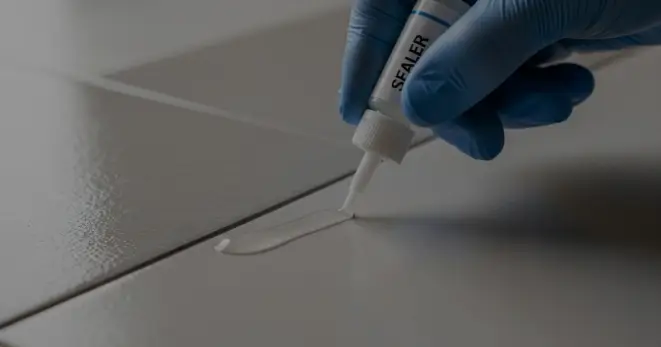
- Apply grout sealer using a brush or applicator bottle.
- Wipe away excess sealer from tile surfaces.
- Allow to dry according to manufacturer instructions.
Guide to Sealing Porcelain Tile
If you choose to seal your tiles, here’s a complete guide:
Materials You’ll Need
- Penetrating or topical tile sealer (water or solvent-based)
- Brushes, roller, or applicator bottle
- Clean cloths or rags
- Gloves and protective eyewear
Cleaning Before Sealing
Before sealing, the surface must be spotless:
- Sweep or vacuum the floor.
- Mop with mild detergent.
- Remove grease, oils, or old sealer residues.
- Allow tiles to dry completely.
Applying Sealer
- Use a brush or applicator bottle for grout and tile edges.
- Apply the sealer in thin, even coats.
- Wait 10–15 minutes, then wipe off excess to prevent residue buildup.
- Apply additional coats if needed, following manufacturer instructions.
Post-Sealing Maintenance
- Avoid harsh cleaners for the first 48 hours.
- Clean regularly with a pH-neutral cleaner.
- Reapply grout sealer every 1–2 years depending on usage and wear.
Sealed vs Unsealed Porcelain Tile
| Feature | Sealed Porcelain Tile | Unsealed Porcelain Tile |
|---|---|---|
| Water Resistance | Enhanced | Good, natural resistance |
| Stain Protection | High | Moderate |
| Maintenance | Easier | Regular cleaning needed |
| Longevity | Slightly increased | Already durable |
| Cost | Additional upfront | None |
This table highlights that sealing is mainly a preventive measure rather than a necessity for most porcelain tiles.
FAQs About Sealing Porcelain Tile
Does glazed porcelain tile need to be sealed?
No, glazed porcelain tiles are typically non-porous and do not require sealing. However, you may choose to seal grout lines.
How often should porcelain tile be sealed?
Unglazed tiles and grout generally benefit from sealing every 1–2 years. Glazed tiles rarely need reapplication.
Can sealing improve stain resistance?
Yes, sealing reduces the risk of staining, particularly for unglazed tiles and grout.
Will sealing change the appearance of my tile?
Most sealers are clear, but some may slightly enhance the tile’s color or sheen.
Is sealing necessary for kitchen and bathroom floors?
For high-traffic, moisture-prone areas, sealing grout lines is highly recommended.
What’s the difference between sealing tiles and grout?
Sealing tiles protects the tile surface, while sealing grout prevents absorption of water, stains, and bacteria.
Can I seal outdoor porcelain tiles?
Yes, especially unglazed or lightly textured tiles, to protect against dirt, water, and environmental wear.
How do I know if my tile is already sealed?
Perform a water droplet test: water beads on a sealed surface; it absorbs on unsealed grout or unglazed tile.
Expert Tips and Common Mistakes
- Avoid over-sealing: Excessive layers can create sticky residue or peeling.
- Never seal wet tiles: Ensure the surface is completely dry.
- Choose the right sealer: Water-based sealers are safer indoors, solvent-based sealers work well outdoors.
- Reference trusted sources: Tile Council of North America (TCNA) and manufacturer recommendations for best results.
Conclusion
In most cases, porcelain tiles do not strictly need sealing due to their natural water resistance and low porosity. However, unglazed tiles and grout lines benefit from sealing to prevent staining and simplify maintenance. Whether you’re sealing for protection, aesthetics, or peace of mind, following the step-by-step process ensures long-lasting results.
Decide whether sealing is right for your tile based on tile type, porosity, and location. Share your experience or questions in the comments your insights help others make informed choices!