
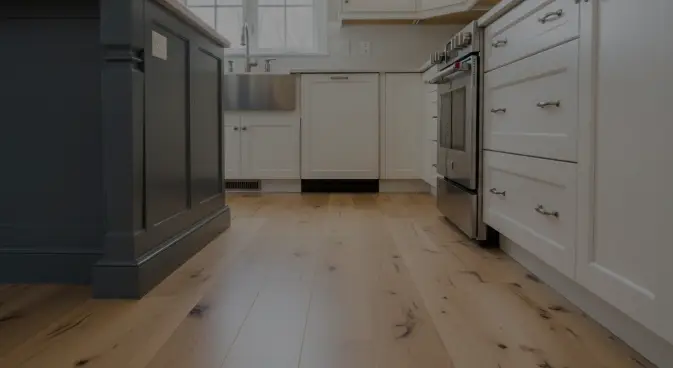
When planning a kitchen renovation or new build, one deceptively simple question causes confusion for homeowners, contractors, and even designers: do you put flooring under kitchen cabinets? The answer isn’t a universal yes or no. It depends on flooring type, cabinet construction, installation method, budget, and how future-proof you want your kitchen to be.
This guide is written to be the most complete, practical, and expert-backed answer on the internet, helping you make the right decision with confidence whether you’re remodeling a small kitchen or building a custom home from scratch.
Short Answer — Do You Put Flooring Under Kitchen Cabinets?
It depends. You should put flooring under kitchen cabinets when using fixed flooring like tile or stone and when future remodel flexibility matters. You should not put flooring under cabinets when using floating floors like LVP or laminate, because doing so can cause movement, buckling, and warranty issues. The final decision depends on flooring type, cabinet weight, whether it’s a remodel or new construction, your budget, and long-term plans for the space.
What Does It Mean to Put Flooring Under Kitchen Cabinets?
Putting flooring under kitchen cabinets means installing the finished floor wall-to-wall before cabinets are set in place, rather than stopping the floor at the cabinet toe kick.
How Flooring and Cabinet Installation Typically Works
In a standard kitchen, cabinets are fixed elements while flooring may either be fixed or floating:
- Fixed flooring (tile, stone, glue-down vinyl) is bonded to the subfloor and does not move.
- Floating flooring (LVP, laminate, floating engineered wood) expands and contracts with temperature and humidity.
Cabinets are heavy, load-bearing structures. Installing them over a floating floor can pin the flooring, preventing expansion. That’s why understanding expansion gaps, structural load, and installation order is critical.
Do You Put Flooring Under Kitchen Cabinets in Modern Kitchens?
Modern kitchens use a mix of materials and construction styles, which is why this question comes up so often today.
Do You Put Flooring Under Kitchen Cabinets in New Construction?
In most production homes, builders do not put flooring under kitchen cabinets. The reasons are simple:
- Reduced material and labor costs
- Faster installation timelines
- Standardized building practices
However, in custom homes, it’s more common to install flooring under cabinets especially tile because it offers flexibility for future changes and a cleaner finish.
Do You Put Flooring Under Kitchen Cabinets During a Remodel?
During a remodel, the answer depends on the scope:
- Full gut remodel: Flooring under cabinets is often recommended (with fixed flooring).
- Cabinet-only replacement: Existing flooring may dictate the approach.
- Overlay flooring: Cabinets usually stay put, and flooring is cut around them.
Sometimes it’s unavoidable to floor under cabinets, but often it’s unnecessary.
When You SHOULD Put Flooring Under Kitchen Cabinets
Flooring Types That Work Best Under Cabinets
You should put flooring under kitchen cabinets when using:
- Ceramic or porcelain tile – Durable, fixed, and unaffected by cabinet weight
- Natural stone – Installed as a permanent surface
- Glue-down vinyl – Properly adhered, not floating
These materials don’t expand in the same way floating floors do, making them safe to install beneath cabinets.
Design and Long-Term Benefits
Installing flooring under cabinets offers real advantages:
- Easier future kitchen remodels
- No exposed subfloor if cabinets move
- Better resale appeal for buyers
- Consistent floor height throughout the space
If flexibility and longevity matter, this approach often wins.
When You SHOULD NOT Put Flooring Under Kitchen Cabinets
Flooring Types That Should NOT Go Under Cabinets
Avoid installing flooring under cabinets if you’re using:
- Floating luxury vinyl plank (LVP)
- Laminate flooring
- Floating engineered hardwood
These floors must move freely. Cabinets installed on top can cause buckling, gaps, or failure.
Structural and Warranty Risks
Common problems include:
- Restricted expansion leading to floor damage
- Voided manufacturer warranties
- Difficulty leveling cabinets on a soft surface
Most flooring manufacturers explicitly advise against placing cabinets on floating floors.
How to Decide If Flooring Goes Under Your Cabinets
- Identify your flooring type (floating vs fixed)
- Determine cabinet style and weight
- Check manufacturer installation guidelines
- Measure finished floor height impact
- Consider future renovations or resale plans
- Confirm budget and extra material waste
- Make the final install decision with your contractor
Installation Scenarios
Installing Flooring Before Cabinets (Correct Method)
- Prepare and level the subfloor
- Install flooring wall-to-wall
- Allow proper curing or setting time
- Install cabinets on top of finished floor
This method is best for tile and stone.
Installing Cabinets Before Flooring (Correct Method)
- Secure cabinets directly to the subfloor
- Plan toe-kick coverage carefully
- Install flooring up to cabinet edges
- Maintain proper expansion gaps
This is the correct approach for floating floors.
Flooring Under vs Around Kitchen Cabinets
| Factor | Flooring Under Cabinets | Flooring Around Cabinets |
|---|---|---|
| Installation Cost | Higher | Lower |
| Future Remodel Ease | Very Easy | Difficult |
| Floating Floor Safety | Not Recommended | Recommended |
| Resale Flexibility | High | Moderate |
| Material Waste | More | Less |
| Builder Preference | Less Common | More Common |
Cost Implications of Putting Flooring Under Kitchen Cabinets
Material, Labor, and Waste Breakdown
- Extra square footage increases material cost
- Additional labor time for full-room installs
- Hidden costs include waste, transitions, and floor height adjustments
For many homeowners, these added costs don’t justify the benefits especially with floating floors.
What Flooring Manufacturers and Contractors Recommend
Industry Best Practices and Warranty Rules
- Most floating floor warranties prohibit cabinet installation on top
- Contractors follow flooring-first or cabinet-first rules based on material
- Building codes allow both methods, but manufacturer guidelines prevail
Always defer to written installation instructions.
Common Mistakes Homeowners Make
Costly Errors That Lead to Floor Failure
- Installing floating floors under cabinets
- Ignoring expansion gaps
- Incorrect installation sequence
These mistakes often lead to expensive repairs or full floor replacement.
FAQs — Do You Put Flooring Under Kitchen Cabinets?
Do you put flooring under kitchen cabinets with vinyl plank?
No. LVP is a floating floor and should not be pinned by cabinets.
Do you put flooring under kitchen cabinets when using tile?
Yes. Tile is fixed and safe to install under cabinets.
Do you put flooring under kitchen cabinets in apartments?
Usually no, due to cost control and standard construction methods.
Can cabinets sit directly on a concrete subfloor?
Yes, especially when flooring is installed afterward.
Does flooring under cabinets increase home value?
Slightly, mainly by improving remodel flexibility.
What do builders usually do with kitchen flooring?
Most builders install cabinets first, then flooring around them.
Should islands have flooring underneath?
Depends on whether the island is movable or permanent.
What happens if you remove cabinets later?
If flooring isn’t underneath, you’ll need to patch or replace the floor.
Final Verdict — Do You Put Flooring Under Kitchen Cabinets?
Put flooring under kitchen cabinets only when using fixed flooring like tile or stone and when long-term flexibility matters. For floating floors, install cabinets first and floor around them.
Takeaway: The right answer depends entirely on your flooring type, not personal preference.
For remodels, Hire The Kitchen Consultants. For new builds, balance cost with future-proofing and you’ll never regret making an informed decision.