
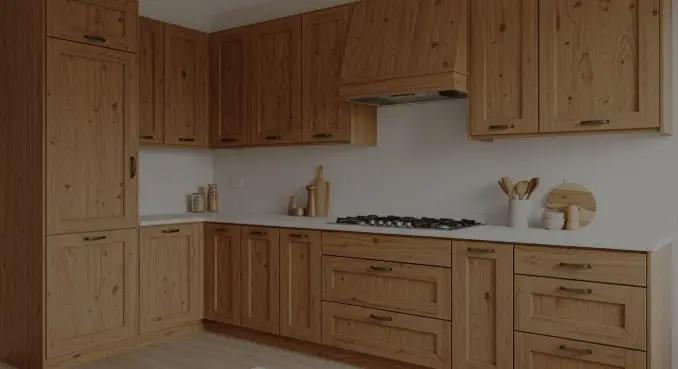
Choosing the right cabinets is one of the most critical decisions when planning a kitchen renovation. With so many materials available MDF, particle board, solid wood homeowners often ask: are plywood cabinets good? Understanding the benefits and limitations of plywood can save you money, improve your kitchen’s durability, and even boost your home’s resale value.
Plywood cabinets have become increasingly popular due to their strength, moisture resistance, and versatile design options. Unlike particle board or MDF, plywood offers a robust core that can withstand daily kitchen wear and tear. But are plywood cabinets truly worth the investment for every renovation?
In this comprehensive guide, we’ll explore plywood cabinet construction, comparisons with other materials, step-by-step buying tips, common mistakes, and strategies to maximize ROI. Whether you’re remodeling a modern, traditional, or transitional kitchen, this guide will help you make an informed decision and choose cabinets that last for decades.
Section 1: What Are Plywood Cabinets and Why They’re Popular
Plywood cabinets are constructed from cross-laminated wood sheets glued together, offering superior strength compared to particle board or MDF. The layers, or “plies,” are arranged in alternating grain patterns, which minimizes warping and enhances durability. High-quality options, like Baltic birch plywood, are favored for cabinet boxes and drawer construction.
Benefits of Plywood Cabinets
- Durability: Plywood can handle heavy kitchen appliances, utensils, and daily wear without sagging or breaking.
- Moisture Resistance: Unlike MDF, plywood resists moisture damage, making it ideal for kitchens prone to humidity.
- Screw-Holding Strength: Plywood allows strong hardware installation, ensuring doors, drawers, and hinges stay secure.
- Long-Term Value: With proper care, plywood cabinets can last 15–20 years, making them a smart investment.
Section 2: Plywood Cabinets vs Other Kitchen Cabinet Materials
When asking are plywood cabinets good, it’s important to compare them to other common options.
| Feature | Plywood Cabinets | MDF Cabinets | Particle Board Cabinets |
|---|---|---|---|
| Durability | High | Medium | Low |
| Moisture Resistance | High | Low | Very Low |
| Screw-Holding | Excellent | Moderate | Poor |
| Cost | Medium–High | Low–Medium | Low |
| Lifespan | 15–20 years | 10–15 years | 5–10 years |
| ROI Potential | High | Medium | Low |
Key Takeaways:
- MDF is cheaper but prone to water damage and sagging.
- Particle board is the least durable option and typically only suitable for low-cost remodels.
- Solid wood is luxurious but expensive; plywood often provides a balanced, cost-effective alternative.
Section 3: Step-by-Step Guide to Choosing Quality Plywood Cabinets
Selecting the right plywood cabinets involves more than just choosing a price point. Follow these steps for a smart purchase:
- Check Plywood Grade & Core Type
- A-Grade vs B-Grade: Higher grades have fewer knots and defects.
- Hardwood vs Softwood Core: Hardwood cores are stronger and hold screws better.
- Inspect Cabinet Box Construction
- Look for ¾” thickness for durability.
- Check for dovetail joints in drawers instead of staples or nails.
- Evaluate Finish & Veneer Quality
- Veneer vs Solid Wood Doors: Veneers are more cost-effective but should be uniform and smooth.
- Edge banding should be tight with no peeling edges.
- Choose a Style That Complements Your Kitchen
- Modern Kitchens: Sleek, flat panels with veneer finishes.
- Transitional Kitchens: Shaker-style plywood cabinets offer durability with classic aesthetics.
- Traditional Kitchens: Raised panel plywood cabinets for elegance.
- Confirm Warranty & Manufacturer Credentials
- Reputable brands often offer 5–10 year warranties, ensuring long-term reliability.
Tip: Bring a small sample home to test color, finish, and match with countertops and flooring.
Section 4: Common Mistakes to Avoid with Plywood Cabinets
Homeowners often make avoidable mistakes that reduce cabinet longevity or aesthetic appeal. Here are the top errors:
- Choosing Low-Grade Plywood: Cheap plywood may warp or split, negating durability benefits.
- Ignoring Cabinet Thickness: Thinner boxes compromise strength and screw-holding capacity.
- Neglecting Moisture Resistance: Kitchens with high humidity require moisture-resistant plywood.
- Focusing Only on Doors: Cabinet boxes often fail first; ensure the entire structure is high quality.
- Skipping Warranty Verification: A lack of warranty can cost more in repairs over time.
Pro Tip: Always request certifications like CARB compliance or KCMA standards for safety and performance assurance.
Section 5: Maximizing ROI with Plywood Cabinets
Investing in plywood cabinets can yield excellent ROI for kitchen renovations if done wisely:
- Choose Mid-Range Plywood: Avoid ultra-cheap particle board; mid-grade plywood balances cost and durability.
- Neutral Finishes: White, cream, or gray cabinets appeal to buyers and increase resale potential.
- Soft-Close Hardware: Adds value and elevates the kitchen’s perception.
- Semi-Custom Options: Allow for personalization while staying budget-friendly.
ROI Comparison Table: Cabinet Material Impact
| Remodel Type | Cabinet Material | Avg ROI |
|---|---|---|
| Budget Remodel | MDF | 55–60% |
| Mid-Range Remodel | Plywood | 65–75% |
| Luxury Remodel | Solid Wood with Plywood Box | 70–80% |
Investing in plywood cabinets not only improves durability but can increase your home’s market value, especially when paired with modern finishes and efficient layouts.
Section 6: FAQ – Are Plywood Cabinets Good?
Q1: Are plywood cabinets better than MDF?
Yes. Plywood is stronger, more moisture-resistant, and holds screws better, making it ideal for long-term kitchen use.
Q2: How long do plywood kitchen cabinets last?
With proper care, plywood cabinets can last 15–20 years, significantly longer than particle board or MDF.
Q3: Are plywood cabinets waterproof?
Plywood is moisture-resistant but not fully waterproof. Always choose moisture-resistant grades and finishes, especially for areas near sinks.
Q4: Are plywood cabinets worth the cost?
Yes. While slightly more expensive than MDF, plywood offers durability, longevity, and a higher ROI.
Q5: What thickness of plywood is best for cabinets?
¾” plywood is recommended for cabinet boxes, while ½” can be used for backs or shelves if needed.
Conclusion
So, are plywood cabinets good for your kitchen renovation? Absolutely. They provide a durable, moisture-resistant, and cost-effective alternative to MDF and particle board, making them ideal for homeowners who want long-lasting cabinets without breaking the bank. By carefully selecting the grade, checking construction quality, and choosing finishes that match your style, you can maximize both functionality and ROI.
Ready to upgrade your kitchen? Explore our expert kitchen renovation services or download our free guide to choosing the perfect cabinets today.