
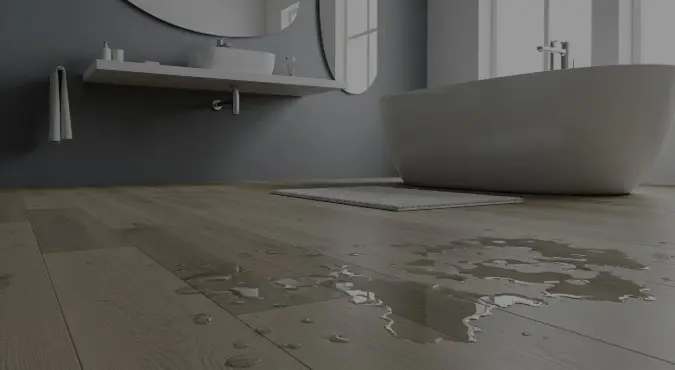
Choosing the right bathroom flooring is a high-stakes decision. Bathrooms combine constant moisture, humidity swings, temperature changes, and heavy daily use conditions that can quickly ruin the wrong material. This is why many homeowners ask a critical question: can LVP be used in bathrooms safely and long term?
Luxury Vinyl Plank (LVP) has surged in popularity due to its waterproof claims, modern designs, and affordability. But does it truly perform well in bathrooms, or are there hidden risks? This guide delivers the most complete, expert-backed answer available, covering performance, installation, comparisons, and real-world considerations.
Short Answer: Can LVP Be Used in Bathrooms?
Yes, LVP can be used in bathrooms if you choose the right type and install it correctly. High-quality, 100% waterproof LVP performs well in bathrooms, including full baths, when paired with proper subfloor preparation, sealing, and ventilation.
LVP works best in bathrooms with:
- Waterproof rigid-core planks
- Controlled humidity and good ventilation
- Properly sealed edges and fixtures
It may not be ideal in bathrooms with:
- Chronic standing water
- Poor ventilation and heavy steam buildup
- Improper or DIY installations without sealing
What Is LVP Flooring and Why It’s Considered for Bathrooms
Luxury Vinyl Plank (LVP) is a multi-layer synthetic flooring designed to mimic hardwood while outperforming it in moisture-prone environments.
Typical LVP construction includes:
- Wear layer: Protects against scratches, stains, and water penetration
- Design layer: High-definition wood or stone visuals
- Core layer (SPC or WPC): Provides waterproof stability
- Backing layer: Adds balance and sound reduction
Homeowners consider LVP for bathrooms because it offers:
- Waterproof or water-resistant options
- Warmer, softer feel than tile
- Easier installation and maintenance
- Lower cost than porcelain or ceramic tile
Bathroom flooring challenges such as splashes, steam, humidity, and temperature shifts make traditional hardwood unsuitable. LVP is engineered to overcome many of these issues.
Can LVP Be Used in Bathrooms Safely and Long-Term
LVP’s bathroom performance depends on understanding water-resistant vs waterproof flooring.
- Water-resistant LVP can handle minor splashes but may fail with prolonged exposure.
- 100% waterproof LVP (usually rigid-core SPC or WPC) prevents water from penetrating the core.
In high-moisture environments, quality LVP resists warping, swelling, and surface damage. Daily foot traffic, dropped items, and routine cleaning typically do not affect its durability.
Manufacturer warranties often allow bathroom use but usually exclude damage caused by:
- Standing water left for extended periods
- Improper installation
- Inadequate sealing or subfloor prep
Always verify warranty language before installation.
Can LVP Be Used in Bathrooms With Showers and Tubs
Yes, can LVP be used in bathrooms with showers and tubs but only with strict precautions.
- Splash zones (around sinks and toilets) are generally safe.
- Wet zones (next to tubs and showers) require edge sealing and tight seams.
High-risk areas include:
- Toilet flanges
- Tub aprons
- Shower entry points
Sealing transitions, edges, and fixtures with waterproof sealant is essential to prevent moisture infiltration beneath the planks.
Can LVP Be Used in Bathrooms With High Humidity
Bathrooms generate steam that can challenge flooring materials. LVP handles humidity well, but only when conditions are controlled.
Key considerations:
- Steam itself won’t damage LVP, but trapped moisture can
- Expansion and contraction are possible without expansion gaps
- Exhaust fans or windows are critical
Proper ventilation dramatically extends the lifespan of LVP in bathrooms.
Pros and Cons of Using LVP in Bathrooms
Advantages
- 100% waterproof core options available
- Slip-resistant textures and finishes
- Comfortable and warm underfoot
- Easy to clean and maintain
- More affordable than tile
Disadvantages
- Seams can fail if poorly installed
- Requires flat, stable subfloor
- Less heat-resistant than tile
- Some warranties restrict bathroom usage
Types of LVP Flooring and Bathroom Suitability
Rigid Core LVP (SPC vs WPC)
- SPC (Stone Plastic Composite): Extremely stable, best for bathrooms
- WPC (Wood Plastic Composite): Softer feel, slightly less rigid
Best option for bathrooms: SPC rigid-core LVP due to superior water stability.
Glue-Down LVP
- Excellent moisture resistance
- Minimal expansion issues
- Requires professional installation
Click-Lock / Floating LVP
- Easier installation
- Requires expansion gaps
- Common mistakes include poor edge sealing
Step-by-Step Guide: How to Install LVP in a Bathroom Properly
- Evaluate bathroom moisture and ventilation
- Choose 100% waterproof rigid-core LVP
- Ensure subfloor is level, clean, and dry
- Install moisture barrier if manufacturer requires
- Dry-fit planks to plan layout
- Install with correct expansion gaps
- Seal edges, seams, toilet flange, and fixtures
- Install waterproof transitions and baseboards
- Follow post-installation care guidelines
Common Installation Mistakes to Avoid in Bathrooms
- Skipping expansion gaps
- Failing to seal around toilet flange
- Installing over uneven subfloors
- Ignoring manufacturer instructions
- Poor ventilation planning
LVP vs Other Bathroom Flooring Options
Bathroom Flooring Comparison Table
| Flooring Type | Water Resistance | Durability | Comfort | Maintenance | Cost |
|---|---|---|---|---|---|
| LVP Flooring | High (waterproof options) | High | High | Easy | Medium |
| Ceramic Tile | Excellent | Very High | Low | Medium | High |
| Porcelain Tile | Excellent | Very High | Low | Low | High |
| Laminate | Low–Medium | Medium | Medium | Medium | Low |
| Sheet Vinyl | Excellent | Medium | High | Easy | Low |
Is LVP Better Than Tile for Bathrooms
LVP beats tile in comfort, warmth, and installation speed. Tile outperforms LVP in heat resistance and longevity. LVP is ideal for budget-conscious renovations; tile is better for luxury or high-end builds.
Maintenance Tips for LVP in Bathrooms
- Sweep or vacuum daily
- Damp mop weekly with vinyl-safe cleaner
- Avoid abrasive or steam cleaners
- Wipe standing water promptly
FAQs: Can LVP Be Used in Bathrooms
Can LVP be used in full bathrooms with showers?
Yes, with waterproof LVP and proper sealing.
Is LVP truly waterproof or just water-resistant?
Rigid-core LVP is waterproof; always verify specs.
Can LVP be installed under a toilet?
Yes, but sealing around the flange is mandatory.
Does steam damage LVP flooring?
No, but poor ventilation can cause issues.
What thickness of LVP is best for bathrooms?
5–7 mm rigid-core LVP is ideal.
Can LVP be installed over existing tile?
Yes, if the tile is level and secure.
How long does LVP last in a bathroom?
15–25 years with proper installation.
Will LVP mold or mildew in bathrooms?
The plank itself won’t, but trapped moisture underneath can.
Final Verdict: Can LVP Be Used in Bathrooms
Yes can LVP be used in bathrooms safely and successfully? Absolutely. When you select waterproof rigid-core LVP, install it correctly, seal all edges, and maintain good ventilation, LVP performs exceptionally well in bathrooms.Choose tile instead if your bathroom experiences constant standing water or extreme heat exposure. Otherwise, LVP is a smart, durable, cost-effective flooring solution trusted by professionals and homeowners alike. For proper bathroom remodeling contact us immediately.