
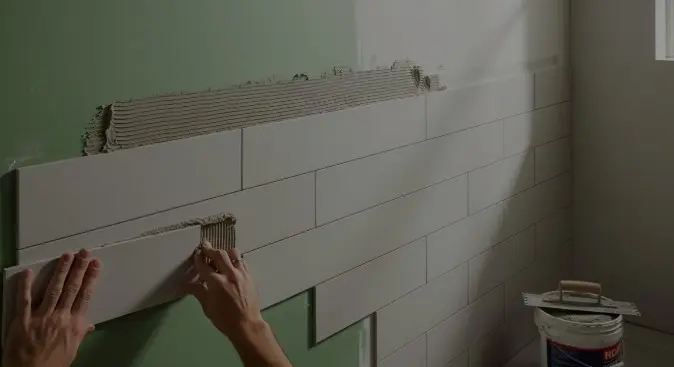
Tiling your bathroom walls is a popular way to add style and durability. But before you grab that tile saw, a critical question arises: can you put tile on sheetrock in bathroom? The answer isn’t a simple yes or no it depends on the area of your bathroom, the type of sheetrock you have, and the precautions you take to protect against moisture. This guide will provide a comprehensive, step-by-step approach, comparison of materials, and expert insights to ensure your bathroom tiling lasts for years.
Short Answer: Can You Put Tile on Sheetrock in Bathroom?
Yes, it is possible to put tile on sheetrock in a bathroom, but it comes with important limitations. Standard drywall is not moisture-resistant, making it unsuitable for areas that will be exposed to water, such as showers or bathtub surrounds. Moisture can penetrate the drywall, causing it to warp, mold, or degrade the tile adhesion over time.
For dry areas, like above wainscot or non-shower walls, tiling directly on sheetrock can be acceptable if you use a proper primer and ensure good ventilation. Moisture-resistant drywall, like green board, can handle semi-wet zones, but for truly wet areas, cement board or other waterproof substrates are strongly recommended.
Understanding Sheetrock in Bathrooms
What Is Sheetrock?
Sheetrock is the common brand name for drywall, a construction material made of gypsum sandwiched between heavy paper. It’s widely used for interior walls and ceilings due to its affordability and ease of installation.
There are different types of sheetrock:
- Standard drywall: Used in most rooms; highly susceptible to moisture.
- Moisture-resistant drywall (green board): Contains a water-resistant core and green paper facing, suitable for semi-wet areas.
- Cement backer board: Not technically sheetrock but often used over it in wet zones due to high water resistance.
Understanding these differences is crucial for bathroom applications.
Risks of Tiling Directly on Sheetrock
Tiling directly on standard drywall in a bathroom carries several risks:
- Moisture damage and mold growth: Bathrooms are humid environments, and water exposure can lead to mold behind the tiles.
- Tile adhesion issues: Standard drywall can crumble or warp when wet, compromising the bond between tile and wall.
- Longevity concerns: Tiles installed on standard sheetrock in wet areas often fail prematurely.
When It’s Possible to Tile on Sheetrock
There are scenarios where tiling on sheetrock can be viable:
- Dry areas: Walls not exposed to water, like above sinks or towel racks.
- Good ventilation: Proper airflow can reduce the risk of moisture buildup.
- Primers and waterproofing: Using a tile primer or thin waterproof membrane can improve adhesion and protect the wall.
For showers, bathtub surrounds, or floors, alternatives like cement board are strongly recommended.
Step-by-Step Guide: How to Tile on Sheetrock in Bathroom
If you choose to tile on sheetrock in suitable areas, follow this step-by-step guide.
Materials and Tools You’ll Need
- Tiles of your choice
- Thin-set adhesive or mortar
- Grout
- Tile trowel
- Tile spacers
- Level
- Tile cutter or wet saw
- Primer for drywall
- Optional waterproofing membrane
Preparing the Sheetrock Surface
- Clean the wall: Remove dust, grease, and debris.
- Smooth imperfections: Fill in holes or dents with joint compound.
- Prime the drywall: Apply a tile primer for better adhesion.
- Waterproofing (optional): For semi-wet areas, apply a thin waterproofing membrane over the drywall.
Tiling Process
- Mark guidelines: Use a level to mark horizontal and vertical lines for even tile placement.
- Apply adhesive: Spread thin-set mortar using a notched trowel.
- Place tiles: Press tiles firmly into the adhesive, using spacers for uniform gaps.
- Cut tiles as needed: Fit tiles around edges, outlets, or corners.
- Check alignment: Ensure all tiles are level and straight.
- Let adhesive set: Allow the recommended curing time before grouting.
Grouting and Sealing
- Apply grout: Fill gaps between tiles using a grout float.
- Clean excess grout: Wipe with a damp sponge before it hardens.
- Seal grout: Protect grout lines from moisture and stains with a suitable sealer.
Alternatives to Tiling Directly on Sheetrock
For wet zones, consider these alternatives:
- Cement board installation: Highly water-resistant and stable for tile adhesion.
- Backer board over sheetrock: Adds moisture protection and strength.
- Waterproof panels or fiberglass boards: Quick and durable solution for wet areas.
Comparison Table: Tiling on Sheetrock vs. Cement Board vs. Green Board
| Feature | Standard Sheetrock | Green Board | Cement Board/Backer Board |
|---|---|---|---|
| Water Resistance | Low | Medium | High |
| Tile Adhesion | Moderate | Good | Excellent |
| Longevity in Wet Areas | Poor | Moderate | Excellent |
| Installation Difficulty | Easy | Easy | Moderate |
| Cost | Low | Moderate | Higher |
| Recommended Bathroom Zones | Dry areas | Semi-wet | Wet & dry zones |
Common Questions People Ask (FAQs)
Can I tile a shower wall directly on drywall?
No. Standard drywall is not suitable for shower walls due to high moisture exposure. Cement board or waterproof backer panels are strongly recommended.
Is it safe to use green board for bathroom tiling?
Yes, but only in semi-wet areas like walls above wainscoting or behind vanities. Avoid direct contact with shower water.
Do I need a waterproof membrane under tile in a bathroom?
For wet areas, a waterproof membrane is highly recommended to prevent water damage and mold growth.
How long will tiles last on standard sheetrock?
Tiles on standard drywall in dry areas can last many years, but in wet areas, they may fail within months due to moisture damage.
Can I remove tiles from sheetrock without damaging the wall?
Careful removal may work in dry areas, but wet-zone tiles often cause sheetrock damage during removal.
What adhesives work best on sheetrock for tile?
Modified thin-set mortar is the most effective for adhesion to primed drywall.
Can I paint over sheetrock before tiling?
Priming is preferred. Avoid painting standard latex paint directly under tile as it may reduce adhesion.
Are there cost-effective alternatives to tiling directly on sheetrock?
Yes, cement board is slightly more expensive but offers superior durability, reducing long-term maintenance costs.
Conclusion
So, can you put tile on sheetrock in bathroom? The answer depends on the location and moisture exposure. Standard drywall is only suitable for dry areas, while moisture-resistant drywall may handle semi-wet areas. For showers, tubs, and other wet zones, cement board or backer board is the recommended choice for long-lasting results.
Proper preparation, including cleaning, priming, and optional waterproofing, is essential for success. By following the step-by-step guide, using the right materials, and selecting the appropriate substrate for each bathroom zone, you can achieve a professional, durable, and beautiful tiled bathroom that stands the test of time. For proper guidance and installation visit The Kitchen Consultants now!