
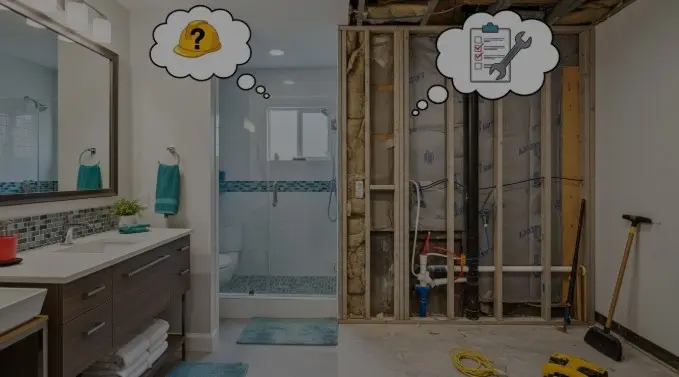
Remodeling a bathroom can transform your home, improve functionality, and boost property value. However, one question often confuses homeowners: do you need permits to remodel a bathroom? The answer isn’t always simple it depends on the scope of your remodel, local building codes, and safety regulations. This guide provides a comprehensive, step-by-step explanation of bathroom remodel permits, helping you avoid fines, delays, and costly mistakes.
Short Answer: Do You Need Permits to Remodel a Bathroom?
The short answer is sometimes. Minor cosmetic updates like painting, replacing cabinets, or installing new countertops typically do not require a permit. However, if your remodel involves moving plumbing fixtures, electrical rewiring, or making structural changes, a permit is almost always required.
Keep in mind that local regulations vary by city and state. Some municipalities may require permits even for seemingly minor work. Always check with your local building department before starting any remodel.
Understanding Bathroom Remodel Permits
What is a Bathroom Remodel Permit?
A bathroom remodel permit is an official authorization issued by your local building department that allows you to perform certain construction or renovation work. Permits exist to ensure that remodeling projects meet safety standards, building codes, and inspection requirements.
Municipalities require permits to protect both homeowners and the community. For example, proper plumbing installation prevents leaks and water damage, while safe electrical work reduces fire hazards.
Why Bathroom Remodel Permits Are Important
Permits are not just bureaucratic hurdles they serve critical functions:
- Safety: Plumbing, electrical, and structural work must comply with codes to prevent hazards.
- Legal Compliance: Remodeling without required permits can result in fines, work stoppages, or forced removal of completed work.
- Property Value: Unpermitted work may reduce your home’s resale value or complicate future sales.
Ultimately, permits provide peace of mind that your remodel is safe, legal, and professionally executed.
When Do You Need a Permit to Remodel a Bathroom?
Common Remodel Scenarios That Require Permits
You typically need a permit for bathroom remodels that involve:
- Moving plumbing fixtures: Installing a new toilet, shower, or sink in a different location.
- Electrical work: Adding or relocating outlets, lighting, or rewiring circuits.
- Structural changes: Removing walls, enlarging the bathroom, or changing load-bearing elements.
These changes affect the home’s infrastructure and require inspections to ensure compliance with building codes.
Remodels That Typically Don’t Require a Permit
Some projects are considered cosmetic or minor and generally do not require a permit:
- Painting or wallpapering.
- Replacing cabinets, countertops, or vanities without changing plumbing.
- Minor repairs like replacing tiles or caulking.
Even if a permit isn’t required, always follow manufacturer instructions and basic safety practices.
Step-by-Step Guide to Getting a Bathroom Remodel Permit
Navigating permits can seem daunting, but following a structured process simplifies the task.
Step 1 – Check Local Building Codes
Contact your city or county building department to confirm which types of work require permits. Many municipalities provide online resources or downloadable forms. Understanding local regulations upfront prevents costly mistakes.
Step 2 – Determine Permit Type Needed
Different aspects of a bathroom remodel may require separate permits:
- Plumbing permit: For moving pipes, installing sinks, showers, or toilets.
- Electrical permit: For wiring, outlets, and lighting.
- General construction/structural permit: For walls, ceilings, or flooring changes.
Step 3 – Prepare Your Remodel Plan
A detailed plan increases the likelihood of permit approval. Include:
- Layout drawings showing fixture placement.
- Materials and finishes.
- Scope of work with clear descriptions of structural or system changes.
Detailed plans make inspections smoother and demonstrate compliance.
Step 4 – Submit Permit Application
You can typically submit applications online or in-person. Expect:
- Submission fees (vary by municipality).
- Estimated review timelines (from a few days to several weeks).
Ensure all supporting documents are included to avoid delays.
Step 5 – Schedule Inspections
After your permit is approved and work begins, inspections ensure the remodel meets safety codes. Common stages include:
- Rough-in plumbing inspection (before walls are closed).
- Electrical inspection (for wiring, outlets, and lighting).
- Final inspection (after completion).
Tips for passing inspections: keep areas accessible, follow approved plans, and hire licensed professionals when required.
Comparison Table: Bathroom Remodels With vs. Without Permits
| Remodel Type | Permit Required? | Why | Risks of Skipping Permit |
|---|---|---|---|
| Moving Plumbing | Yes | Plumbing code compliance | Fines, water damage |
| Electrical Upgrades | Yes | Safety & code compliance | Fire hazard, insurance issues |
| Cosmetic Changes | No | N/A | Usually minimal risk |
| Structural Wall Removal | Yes | Safety, structural integrity | Collapse risk, code violation |
| Cabinet/Counter Replacement | No | N/A | Low risk |
This table helps homeowners quickly assess whether a permit is necessary for their planned remodel.
Common Questions About Bathroom Remodel Permits
How much does a bathroom remodel permit cost?
Permit costs vary by location and project size but typically range from $50 to $500 per permit, depending on the scope of work.
Can I remodel my bathroom without a permit?
Minor cosmetic changes may not require a permit, but moving plumbing, electrical, or structural work almost always does. Skipping permits can lead to fines, failed inspections, and insurance issues.
Will unpermitted work affect my home sale?
Yes. Unpermitted renovations can reduce resale value, complicate inspections, or even halt the sale until work is legalized.
How long does it take to get a permit?
Most municipalities process permits within a few days to several weeks, depending on complexity and workload.
Do I need a permit for a bathroom vent or fan installation?
Often yes, if it involves electrical connections or ductwork alterations. Always confirm with your local building department.
What happens if I start remodeling without a permit?
You risk fines, mandatory removal of completed work, or failed inspections. Unpermitted work may also void insurance coverage in case of accidents or damage.
Can a contractor pull the permit for me?
Yes. Many licensed contractors can obtain permits on behalf of homeowners, simplifying the process.
Are bathroom remodel permits different by state or city?
Absolutely. Permitting rules vary widely. Always check local building codes to determine exact requirements.
Conclusion: Navigating Bathroom Remodel Permits Safely
Understanding when and why permits are required is crucial for a successful bathroom remodel. While cosmetic updates rarely need permits, any work involving plumbing, electrical, or structural changes almost always does. By checking local regulations, preparing detailed plans, submitting permit applications, and scheduling inspections, you protect your home, avoid fines, and ensure safety.
Erring on the side of obtaining permits is not just a legal formality it preserves the long-term value and integrity of your property, giving you confidence in your remodel for years to come. For more information and contact visit the Bathroom Remodel now!