
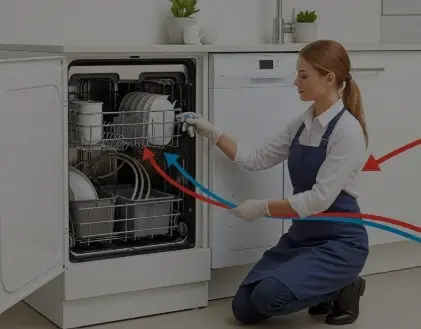
Removing old kitchen appliances can feel like a daunting task, especially when dealing with heavy, bulky items or those connected to water and gas lines. Knowing how to remove old kitchen appliances safely and efficiently not only protects your home from damage but also ensures environmental responsibility. This guide provides a complete, step-by-step approach, practical tips, and answers to the most common questions homeowners face.
Short Answer: How Do You Remove Old Kitchen Appliances
In short, removing old kitchen appliances involves unplugging the appliance, disconnecting any water or gas lines, carefully moving it out of your kitchen, and disposing of it responsibly. Safety precautions, proper tools, and an understanding of disposal options like recycling, donation, or selling are key to a smooth process.
Understanding the Process of Removing Old Kitchen Appliances
Why Proper Removal Matters
Proper removal of kitchen appliances is more than just a matter of convenience—it’s a critical safety concern. Appliances often involve electricity, water, and in some cases, gas, all of which pose hazards if not handled correctly. Improper handling can lead to:
- Electrical shocks or short circuits from unplugging or moving appliances incorrectly.
- Water leaks from dishwashers or refrigerators, which can damage flooring or cabinetry.
- Physical injuries from lifting heavy items improperly.
Additionally, responsible disposal protects the environment. Many appliances contain materials like refrigerants, metals, and plastics that should not be dumped in landfills. Following proper removal procedures reduces risk, protects your home, and ensures sustainable disposal.
Types of Kitchen Appliances You Might Remove
Different appliances require slightly different approaches:
Large Appliances:
- Refrigerator
- Dishwasher
- Oven or range
- Washer/dryer (if located in the kitchen)
Small Appliances:
- Microwave
- Toaster oven
- Portable cooktops
Large appliances often involve connections to utilities, heavy lifting, and professional assistance in some cases. Small appliances are easier to remove and generally safer to handle on your own.
Step-by-Step Guide: How Do You Remove Old Kitchen Appliances
Preparing Your Kitchen
Before starting, preparation is key:
- Clear the surrounding area to create space for moving large items.
- Protect flooring with blankets, cardboard, or sliders to prevent scratches.
- Gather essential tools: screwdrivers, wrenches, pliers, and a dolly.
- Wear safety gear: gloves, sturdy shoes, and consider a back support belt if lifting heavy items.
Disconnecting Utilities
Appliances often connect to electricity, water, or gas:
- Electrical: Unplug the appliance or switch off the breaker before attempting removal.
- Water supply: Turn off the valves for dishwashers or refrigerators with water dispensers. Disconnect hoses carefully to avoid leaks.
- Gas appliances: Never attempt DIY disconnection of gas lines; hire a licensed professional for safety.
Moving the Appliance
Moving heavy appliances safely requires technique:
- Lift with your legs, not your back, to avoid injury.
- Use appliance dollies or sliders to glide items across floors without damage.
- Enlist a second person for particularly large or awkward appliances like refrigerators and ovens.
Disposal, Recycling, and Donation
Once the appliance is removed, consider your disposal options:
- Recycling centers: Drop off old, non-working appliances responsibly. Some centers charge a small fee.
- Curbside pickup: Many municipalities offer special collection days for large appliances.
- Donation: Working appliances can often be donated to charities or non-profits.
- Selling: Platforms like Craigslist, Facebook Marketplace, or local buy/sell groups can help you earn money from appliances that still work.
Comparison Table: Methods for Removing Old Kitchen Appliances
| Method | Best For | Pros | Cons | Cost |
|---|---|---|---|---|
| DIY Removal | Small/medium appliances | Free, flexible timing | Labor-intensive, risk of damage | Minimal |
| Professional Removal | Large appliances or gas lines | Safe, fast, no damage | Expensive | $50–$200+ |
| Donation Pickup | Working appliances | Environmentally friendly, tax benefits | Must schedule, not always available | Free |
| Recycling Center Drop-off | Non-working appliances | Environmentally responsible | Travel required, may charge fee | $0–$50 |
Common Questions About Removing Old Kitchen Appliances
Can I remove a refrigerator by myself?
Yes, for small to mid-size refrigerators. Always unplug first, remove water lines, and use a dolly. Heavy or French-door models may require two people or professional help.
How do I safely disconnect a dishwasher?
Turn off the water supply and power first. Disconnect water and drain hoses, then remove mounting brackets. Slide the dishwasher carefully using a dolly or by hand, keeping the floor protected.
What should I do with my old gas stove?
Gas stoves require a licensed professional for disconnection. Once safely disconnected, the stove can be recycled, donated, or sold if in working condition.
Are there fees for appliance recycling?
Yes, fees vary depending on your city, appliance type, and recycling facility. Some centers accept working appliances for free, while non-working units may incur a small charge.
Can I donate old kitchen appliances?
Working appliances can often be donated to charities, shelters, or community organizations. Check the organization’s condition requirements before scheduling a pickup.
How do I move heavy appliances without damaging the floor?
Use sliders, moving blankets, or a dolly. Lift carefully, avoid dragging appliances directly on the floor, and enlist help for heavier items.
What tools do I need for DIY removal?
Common tools include screwdrivers, adjustable wrenches, pliers, gloves, and a dolly for heavy items. Optional items: floor protection blankets and back support.
Is professional removal worth the cost?
Professional removal ensures safety, reduces risk of damage, and is ideal for large, awkward, or gas-connected appliances. The cost ranges from $50–$200+, which can be worth it for peace of mind. For more information and quotations visit The Kitchen Consultants.