
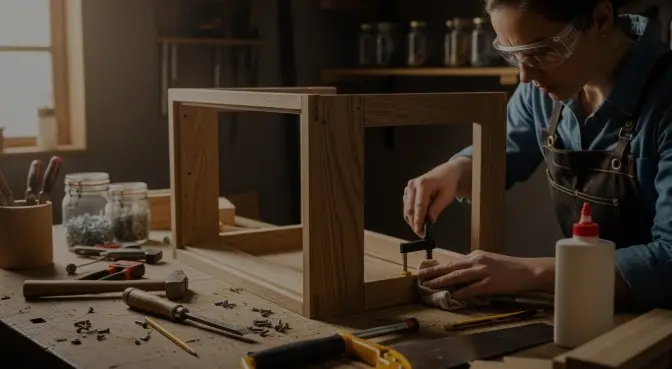
Kitchen cabinets are more than just storage they define the functionality and aesthetics of your kitchen. Over time, however, wear and tear can compromise the structural integrity of cabinet frames, leading to wobbly doors, misaligned drawers, and sagging shelves. If ignored, small frame issues can escalate into costly replacements. Fortunately, repairing a kitchen cabinet frame is often simpler and more cost-effective than replacing the entire cabinet. In this guide, we’ll explore everything you need to know from identifying damage to step-by-step repair techniques so your cabinets stay sturdy and reliable for years.
Short Answer: How to Repair a Kitchen Cabinet Frame Quickly
The fastest way to repair a kitchen cabinet frame is to first identify the damaged areas, reinforce weak joints with wood glue and clamps, fill cracks using wood filler, and secure any loose panels with screws or corner brackets. For more severe damage, replacing specific frame sections may be necessary. Always ensure safety by wearing gloves and eye protection, and avoid overloading shelves while repairs are in progress.
Understanding Kitchen Cabinet Frame Damage
What Causes Kitchen Cabinet Frames to Break or Loosen?
Several factors contribute to cabinet frame deterioration:
- Age and wear: Over years of regular use, joints loosen and wood can weaken.
- Excessive weight or overloading: Storing heavy appliances or cookware beyond design capacity stresses the frame.
- Moisture and humidity damage: Kitchens are prone to moisture, which can warp wood or cause swelling and rot.
- Poor original construction: Low-quality materials or improper assembly can lead to early frame failure.
- Termite or pest damage: Infestation weakens the wood and compromises structural integrity.
Signs Your Kitchen Cabinet Frame Needs Repair
Detecting early signs of damage can save you time and money:
- Squeaking or wobbling doors when opened or closed.
- Visible cracks in the wood, especially near joints or corners.
- Misaligned drawers or doors that don’t close properly.
- Detached panels or sagging shelves, indicating compromised support.
How to Repair Kitchen Cabinet Frame: Core Explanation
Repairing the frame is often preferable to full replacement because it saves money, preserves cabinet aesthetics, and allows targeted reinforcement. Before starting, gather these essential tools and materials:
- Wood glue for reinforcing joints
- Clamps to hold pieces together while glue dries
- Screws and corner brackets for added strength
- Wood filler for cracks and surface imperfections
- Sandpaper for smoothing repairs
- Paint, stain, or varnish to match existing finishes
Safety precautions: Always wear gloves and eye protection when cutting, sanding, or drilling. Ensure proper ventilation when using adhesives or finishes.
Step-by-Step Guide to Repair Kitchen Cabinet Frame
Step 1: Assess the Damage
Inspect each cabinet frame carefully. Look for:
- Broken or loose joints
- Cracks in vertical or horizontal supports
- Warped panels
- Signs of moisture damage
Document your findings to plan which repair method fits best.
Step 2: Remove Cabinet Contents and Doors
- Empty all items from the cabinet.
- Carefully remove doors and drawers for easier access.
- This prevents accidental damage and provides better maneuvering space.
Step 3: Reinforce or Replace Broken Frame Sections
- Using corner brackets: Ideal for strengthening joints without replacing wood.
- Wood glue and clamps: Apply glue to joints, clamp them, and allow adequate drying time.
- Replacing damaged wood parts: For severely compromised frames, cut out the damaged section and replace it with a matching wood piece.
Step 4: Fill Cracks and Sand Surfaces
- Apply wood filler to cracks, gaps, or dents.
- Once dry, sand smooth using medium to fine-grit sandpaper.
- This prepares the surface for painting or staining.
Step 5: Reassemble and Secure
- Reattach doors, drawers, and hardware.
- Test doors and drawers to ensure smooth operation.
- Check that the frame feels solid and stable.
Step 6: Finish and Protect
- Apply paint, stain, or varnish to match the original cabinet finish.
- Optional: add additional brackets or reinforcements for long-term durability.
- Let the finish dry completely before loading the cabinet.
Comparison Table: Methods to Repair Kitchen Cabinet Frame
| Method | Pros | Cons | Best For |
|---|---|---|---|
| Wood Glue & Clamps | Cost-effective, quick | Weak for large breaks | Minor joint repairs |
| Corner Brackets | Strong reinforcement | Visible hardware | Heavier cabinets |
| Replacing Wood Sections | Long-term durability | Requires carpentry skills | Severely damaged frames |
| Combination Approach | Maximum strength | More time-consuming | Any type of damage |
This table helps you choose the method that balances strength, cost, and skill level for your cabinet repair needs.
FAQs About Repairing Kitchen Cabinet Frames
1. How much does it cost to repair a kitchen cabinet frame?
Repair costs vary based on damage severity, but minor repairs with glue and brackets typically range from $20–$50 per cabinet. Larger replacements may cost $100 or more.
2. Can I repair a cabinet frame myself or do I need a professional?
Many repairs can be DIY if you have basic tools and skills. For extensive damage, warped wood, or complex cabinetry, hiring a professional is recommended.
3. How long does it take to fix a broken cabinet frame?
Minor repairs may take 1–2 hours per cabinet. More extensive repairs with replacement sections can take several hours, including drying time for glue and finishes.
4. What tools are essential for cabinet frame repair?
Wood glue, clamps, screws, corner brackets, sandpaper, wood filler, and basic hand tools (screwdriver, drill, hammer) are essential.
5. Will repairing the frame affect the cabinet’s appearance?
If done carefully with matching wood filler, paint, or stain, repairs can be nearly invisible.
6. Can water-damaged cabinet frames be repaired?
Yes, minor water damage can be fixed with sanding, drying, and reinforcement. Severely rotted frames may require wood replacement.
7. How do I prevent future damage to my cabinet frames?
Avoid overloading shelves, manage humidity, and perform regular inspections. Use protective brackets for heavy cabinets.
8. Is it better to repair or replace a heavily damaged cabinet frame?
Repair is cost-effective for moderate damage, but replacement ensures structural integrity for severely compromised frames.
Conclusion: Maintaining and Extending the Life of Your Cabinet Frames
Timely repair of kitchen cabinet frames not only restores functionality but also prevents costly replacements. By inspecting your cabinets regularly, addressing minor issues early, and reinforcing weak areas, you can extend the life of your cabinets significantly. Whether you use wood glue, corner brackets, or replacement sections, following a systematic, careful repair process ensures your kitchen remains both beautiful and sturdy for years to come. Visit The Kitchen Consultants for detailed information and services.