
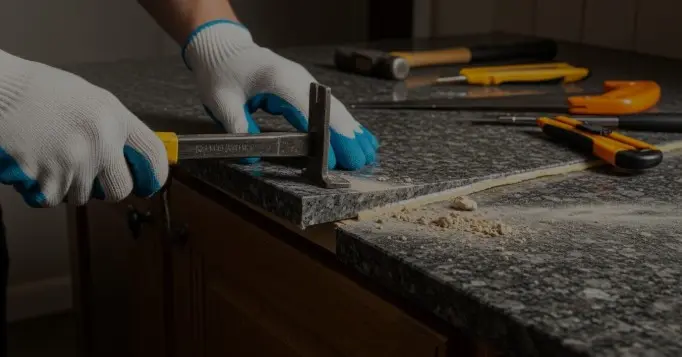
Granite countertops add elegance and durability to any kitchen, but when it comes time for renovation, replacement, or repair, removing them can be a daunting task. Many homeowners wonder whether this is a DIY project or one that requires professional help. In this guide, we’ll cover everything you need to know about how to remove granite countertops, including safety tips, step-by-step instructions, method comparisons, and FAQs to make the process manageable and safe.
Short Answer: Can You Remove Granite Countertops Yourself?
Yes, removing granite countertops is possible as a DIY project if you have the right tools, a helper, and patience. However, granite is extremely heavy and brittle, so there’s a real risk of injury or damage to cabinets, floors, and the countertop itself.
- DIY Feasibility: Moderate requires skill, care, and equipment.
- Professional Removal: Easier and faster, but more expensive.
- Cost Estimates: DIY removal can cost $50–$150 in tools and materials, while professional removal may cost $300–$800 depending on kitchen size.
Safety should always be your first concern lifting techniques, protective gear, and proper preparation are critical.
Understanding Granite Countertops
What Are Granite Countertops Made Of?
Granite is a natural stone composed of quartz, feldspar, and mica. Its density makes it both durable and extremely heavy. Most granite slabs are 2–3 cm thick and weigh between 18–25 pounds per square foot.
Why this matters: The weight and brittleness of granite mean that careless handling can crack slabs, damage cabinets, or cause serious injury. Understanding the composition and weight is essential before attempting removal.
How Granite Countertops Are Installed
Granite countertops are usually installed over cabinets with:
- Construction adhesive: Strong epoxy or silicone-based adhesive
- Mechanical fasteners: Screws or brackets at corners and edges
- Seams and joints: Joined with epoxy, making slabs difficult to separate
Most kitchen layouts involve L-shaped, U-shaped, or island countertops, and these configurations affect removal strategy.
Risks of Removing Granite Yourself
Removing granite without professional help carries several risks:
- Cuts and bruises: Edges are sharp and slabs are heavy
- Damage to cabinets or floors: Prying or dropping granite can cause permanent damage
- Cracking or chipping: Granite is brittle and can break under uneven pressure
Understanding these risks ensures you can take the right precautions.
When Should You Remove Granite Countertops?
Granite removal is usually necessary in the following situations:
- Renovation: Upgrading to a new countertop material or design
- Replacement: Replacing damaged or outdated granite
- Repair: Granite slabs with large cracks, chips, or stains that cannot be fixed
Signs your granite needs removal:
- Deep cracks or fractures
- Persistent staining despite cleaning
- Loose slabs or failing adhesive
Timing considerations: Removing granite is best done during a planned renovation to avoid downtime in your kitchen.
Step-by-Step Guide: How to Remove Granite Countertops Safely
Tools and Materials You Will Need
| Tool/Material | Purpose |
|---|---|
| Pry bars | Loosen slabs from adhesive |
| Putty knives | Cut through caulk and sealant |
| Suction cups | Lift granite safely |
| Gloves & safety glasses | Personal protection |
| Screwdrivers | Remove screws and brackets |
| Optional: power saw, crowbar, helper equipment | Handle heavy or stubborn slabs |
Preparation Before Removal
- Clear countertop items: Remove appliances, dishes, and decorations.
- Shut off plumbing and disconnect appliances: Turn off water, gas, and power for safety.
- Cover floors and cabinets: Protect surfaces from accidental scratches or drops.
Step 1 – Remove Backsplash (if applicable)
- Use a putty knife to separate the backsplash from the wall and countertop.
- Work slowly to avoid cracking the granite or drywall.
Step 2 – Disconnect Plumbing and Appliances
- Remove sinks, faucets, dishwashers, and other built-in appliances.
- Cap plumbing lines temporarily for safety.
Step 3 – Cut Caulk and Adhesive
- Run a utility knife along seams and caulk lines.
- If adhesive is particularly strong, gently use a heat gun to soften it.
Step 4 – Carefully Pry Up Granite Slabs
- Insert pry bars under the edge of the slab.
- Use gentle, even pressure to lift slabs without cracking.
- Work along the slab gradually and coordinate with a helper.
Step 5 – Lift and Remove Slabs Safely
- Use suction cups for a secure grip.
- Lift with your legs, not your back, and ensure two or more people handle large slabs.
- Navigate corners and seams carefully to prevent breakage.
Step 6 – Clean Cabinets and Prep for Replacement
- Remove residual adhesive with putty knives or scraper.
- Check cabinets for damage and repair if needed before installing a new countertop.
Comparison of Granite Countertop Removal Methods
| Method | DIY Feasibility | Cost | Risk of Damage | Time Required | Tools Needed |
|---|---|---|---|---|---|
| Manual Pry Method | Moderate | Low | Medium | 2–4 hours | Pry bars, putty knives |
| Professional Removal | Easy | High | Low | 1–2 hours | Professional tools |
| Partial Slab Removal | Moderate | Medium | Medium | 1–3 hours | Pry tools, saw |
| Cutting Granite Into Pieces | Hard | Medium | High | 3–5 hours | Power tools, safety gear |
This table helps homeowners choose a method based on skill level, budget, and urgency.
Frequently Asked Questions (FAQs)
Can I remove granite countertops without damaging cabinets?
Yes, but it requires careful lifting, proper tools, and ideally a helper. Take time to loosen adhesive without prying aggressively.
How much does professional granite removal cost?
Costs range from $300–$800 depending on kitchen size, location, and complexity of installation.
How heavy are granite countertops?
Most slabs weigh 18–25 pounds per square foot, making it critical to have proper lifting assistance.
Is it safe to remove granite by myself?
It can be done safely if you follow step-by-step guidelines, wear protective gear, and use correct lifting techniques. Assistance is strongly recommended.
How do I dispose of old granite countertops?
Granite can be recycled at local stone yards, donated to building material reuse centers, or hauled to construction debris sites.
Can granite countertops be reused after removal?
Yes, if slabs are intact and undamaged. They may require professional polishing before reinstallation.
How long does it take to remove granite countertops?
DIY removal usually takes 2–5 hours, depending on kitchen size and complexity. Professionals can complete it in 1–2 hours.
What are alternatives to granite if I’m replacing it?
Quartz, marble, concrete, butcher block, and laminate are popular alternatives depending on budget, durability, and design preferences.
Safety Tips for Removing Granite Countertops
- Always lift with your legs, not your back.
- Wear gloves, goggles, and steel-toe shoes.
- Ensure a stable surface for work.
- Avoid cutting or prying without support.
- Coordinate movements with helpers when lifting slabs.
Granite Countertop Weight by Size
| Countertop Size | Thickness | Approx. Weight |
|---|---|---|
| 5 ft | 2 cm | ~180 lbs |
| 5 ft | 3 cm | ~270 lbs |
| 8 ft | 2 cm | ~290 lbs |
| 8 ft | 3 cm | ~435 lbs |
| Kitchen Island 6×3 ft | 2 cm | ~260 lbs |
This helps homeowners plan lifting strategies and determine if professional help is necessary.
Conclusion
Removing granite countertops is a complex but achievable project if approached with preparation, care, and proper tools. While DIY removal is possible, it carries significant risks including personal injury and damage to cabinets or the granite itself. Professionals offer a safer, faster option but come at a higher cost.
Key takeaways:
- Evaluate the condition of your granite and plan removal carefully.
- Always prioritize safety lifting techniques and protective gear are essential.
- Use comparison tables and step-by-step guides to select the method that fits your skills and budget.
- After removal, clean cabinets and plan your new countertop installation with care.
With careful execution and proper preparation, you can successfully remove granite countertops while minimizing risk and ensuring your renovation stays on track. For professional installation contact The Kitchen Consultants now.