
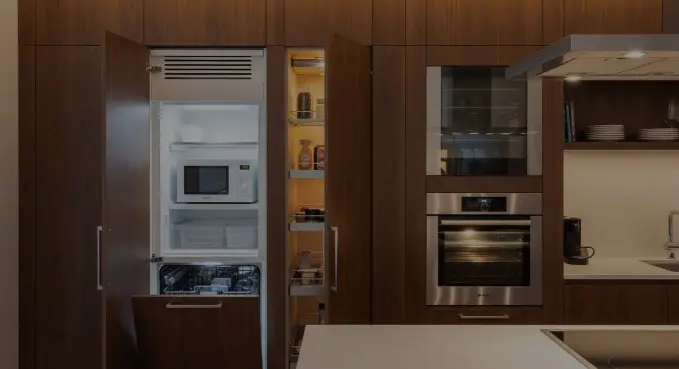
A cluttered kitchen can make even the most beautiful space feel chaotic. From bulky refrigerators to countertop mixers, appliances are essential, but their presence can disrupt the flow of design. If you’ve ever wondered how to hide appliances in kitchen spaces effectively, you’ve come to the right place. In this guide, we’ll explore practical strategies, step-by-step instructions, and expert design tips to create a sleek, functional, and visually appealing kitchen.
Short Answer: Quick Ways to Hide Appliances in Your Kitchen
Hiding appliances doesn’t have to be complicated. Here are immediate, actionable solutions:
- Use built-in cabinetry and custom panels – Seamlessly integrate appliances into your cabinets for a cohesive look.
- Incorporate appliance garages – Conceal small countertop devices behind sliding or roll-up doors.
- Utilize sliding doors or roll-up shutters – Perfect for larger appliances like microwaves or coffee stations.
- Opt for under-counter or drawer appliances – Hide mixers, toasters, and specialty tools when not in use.
- Employ stylish storage solutions for small appliances – Baskets, pull-out shelves, and hidden cubbies maintain organization without compromising style.
Hiding appliances is both practical and aesthetic. It reduces visual clutter, maximizes counter space, and elevates the overall kitchen design, giving your home a polished, harmonious look.
Why You Should Hide Appliances in Your Kitchen
Benefits of a Clutter-Free Kitchen
Keeping appliances out of sight offers multiple advantages:
- Improved aesthetics and visual flow – Clean lines and uninterrupted cabinetry create a modern, streamlined appearance.
- Maximized counter space – Hidden appliances free up work areas for cooking, prep, and entertaining.
- Easier to clean and maintain – Less clutter means fewer surfaces to dust and clean, and appliances are protected from kitchen debris.
Enhancing Kitchen Design and Style
- Seamless cabinetry for modern kitchens – Built-in solutions integrate appliances perfectly into your kitchen’s layout.
- Integrating appliances into design trends – Matching panels, wood finishes, or color-coordinated appliances ensure that functionality doesn’t compromise style.
Types of Appliances You Can Hide in a Kitchen
Large Appliances
- Refrigerators
- Dishwashers
- Ovens and microwaves
These appliances benefit most from built-in solutions and sliding panels.
Small Appliances
- Toasters
- Blenders
- Coffee machines
- Mixers
Small countertop devices can be concealed in appliance garages, drawers, or cabinets.
Specialty Appliances
- Wine coolers
- Espresso machines
- Air fryers
Even specialty tools can be integrated into cabinetry to maintain a clutter-free environment.
Step-by-Step Guide: How to Hide Appliances in Kitchen
Step 1 – Assess Your Kitchen Layout and Appliances
Measure all appliances and determine which ones are used frequently versus occasionally. Categorizing them will help you decide which storage solutions work best.
Step 2 – Choose the Right Storage Solution
- Built-in cabinetry – Ideal for large appliances like refrigerators and dishwashers.
- Appliance garages – Perfect for mixers, blenders, and coffee makers.
- Roll-up doors or sliding panels – A stylish solution for microwaves or multi-purpose counters.
Step 3 – Install Custom Panels and Sliding Doors
Choose durable materials like MDF, laminate, or wood veneer. Ensure panels align perfectly with surrounding cabinets for a seamless finish. Sliding doors should move smoothly and conceal appliances entirely.
Step 4 – Optimize Counter and Drawer Spaces
Use pull-out shelves or drawers for small appliances. Consider lazy susans or custom dividers to keep appliances organized and easily accessible.
Step 5 – Incorporate Design and Decor Elements
Blend appliances with cabinetry finishes, color schemes, or decorative hardware. Accessories like handles, trims, or contrasting textures can disguise appliance boundaries.
Step 6 – Maintain Functionality and Accessibility
Hidden appliances should remain easy to use. Avoid obstructing ventilation or electrical connections, and ensure drawers or doors open without effort.
Comparison Table: Methods to Hide Appliances in Kitchen
| Method | Best For | Pros | Cons | Cost Estimate |
|---|---|---|---|---|
| Built-in cabinetry | Large & small appliances | Seamless look, increases value | Higher installation cost | $$$ |
| Appliance garages | Countertop appliances | Easy access, tidy | Limited to small appliances | $$ |
| Sliding doors / roll-up shutters | Large appliances | Modern look, hides clutter | Needs precise installation | $$–$$$ |
| Under-counter storage | Small & specialty appliances | Hidden, easy to reach | Requires custom drawers | $$ |
| Pull-out shelves & drawers | Multi-purpose storage | Convenient, organized | Can be expensive | $$ |
Frequently Asked Questions (FAQs) About Hiding Kitchen Appliances
1. How do I hide a refrigerator in my kitchen?
Use built-in cabinetry or custom panels that match your surrounding cabinets. Ensure ventilation is not blocked to maintain appliance efficiency.
2. Can small appliances be hidden in cabinets?
Yes, appliance garages, pull-out drawers, or under-counter solutions are perfect for small appliances like blenders or coffee machines.
3. What are appliance garages and how do they work?
An appliance garage is a storage compartment with a roll-up or sliding door that conceals countertop appliances while keeping them easily accessible.
4. Are hidden appliances more expensive than visible ones?
They may require additional cabinetry or installation costs, but they often increase home value and improve overall kitchen aesthetics.
5. Can hiding appliances damage them or affect ventilation?
Proper installation is key. Always leave enough clearance for airflow and follow manufacturer guidelines to avoid overheating.
6. What design styles work best with hidden appliances?
Modern, minimalist, and transitional kitchens benefit most, but traditional kitchens can also integrate hidden appliances with wooden panels or rolling doors.
7. How do I access hidden appliances quickly?
Use sliding doors, pull-out drawers, or appliance garages designed for effortless access without moving other items.
8. Is it worth hiding appliances in a small kitchen?
Absolutely. Concealing appliances maximizes space, reduces clutter, and makes small kitchens feel larger and more organized.
Design Inspiration: Creative Ways to Hide Appliances
Modern Minimalist Kitchens
- Monochrome cabinetry and concealed storage
- Hidden induction cooktops and integrated refrigerators
Traditional and Classic Kitchens
- Wooden panels, rolling doors, and framed cabinetry
- Concealed dishwashers with decorative panels
Small Kitchen Solutions
- Multi-functional furniture like kitchen islands with hidden drawers
- Compact pull-out shelves for small appliances
Conclusion: Achieving a Clutter-Free, Stylish Kitchen
Hiding appliances in your kitchen is both practical and transformative. From maximizing counter space to creating a cohesive design, concealed appliances elevate your cooking environment. By assessing your layout, choosing the right storage solutions, and incorporating thoughtful design elements, you can maintain functionality without sacrificing style. Whether you have a small kitchen or a spacious modern home, integrating hidden appliances is a smart investment in both efficiency and aesthetics. For a detailed guide and information visit The Kitchen Consultants now.