
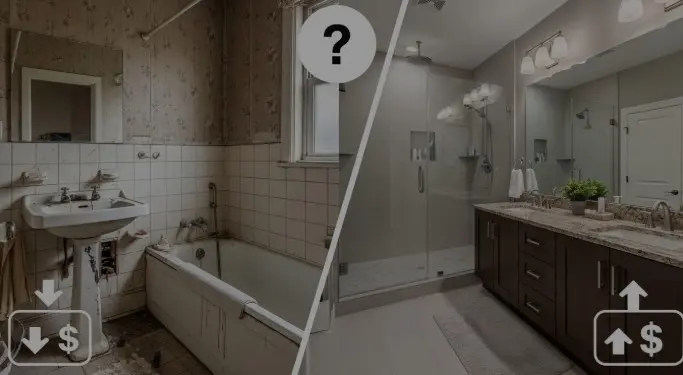
A bathroom remodel is one of the most talked-about home improvement projects, but homeowners often wonder: does a bathroom remodel increase home value? Whether you’re planning a minor facelift or a major overhaul, understanding the impact of bathroom upgrades on your home’s resale value is critical. This guide dives deep into the ROI, strategic upgrades, and best practices that not only improve your daily living experience but also maximize your home’s market appeal.
Short Answer: Will a Bathroom Remodel Boost Your Home’s Value?
Yes, a bathroom remodel can increase home value but the extent depends on several factors, including the scale of the remodel, materials used, and local real estate trends. According to Remodeling Magazine’s Cost vs. Value Report, homeowners can expect an average ROI of 60–85% depending on whether the project is minor, mid-range, or major.
- Minor updates (new fixtures, paint, lighting) often yield 60–70% ROI.
- Mid-range remodels (vanity replacements, tile upgrades, shower remodels) can return 65–80%.
- Major remodels (layout changes, high-end finishes) can reach 70–85% ROI, especially in high-demand markets.
Factors like bathroom size, home location, and quality of work play a significant role. Homes with outdated or poorly designed bathrooms may see a larger boost in value from even modest renovations. Authoritative sources like the National Association of Realtors (NAR) and Remodeling Magazine confirm that bathroom upgrades remain one of the top priorities for buyers.
Understanding How Bathroom Remodels Affect Home Value
Why Bathrooms Matter to Homebuyers
Bathrooms are often considered deal-breakers or deal-makers in real estate. A modern, functional bathroom can sway a buyer’s decision, while an outdated, cramped, or poorly designed one can reduce offers. Trends show that buyers increasingly value:
- Contemporary fixtures and finishes
- Functional layouts with storage
- Luxury touches such as heated floors or walk-in showers
A dated bathroom not only deters buyers but can also reduce the perceived overall value of a home. Homes with one or more modernized bathrooms typically sell faster and closer to the asking price.
Types of Bathroom Remodels That Increase Value
- Minor Remodels
- Updating faucets, showerheads, paint, and lighting
- Cost-effective and quick, with ROI of 60–70%
- Ideal for small budgets or rental properties
- Mid-Range Remodels
- Replacing vanities, tiles, or adding a new bathtub/shower
- ROI of 65–80%, balancing cost with buyer appeal
- Often includes cosmetic upgrades that significantly modernize the space
- Major Remodels
- Changing the layout, adding luxury finishes, or expanding the bathroom
- ROI of 70–85%, depending on local market demand
- Best for high-end homes or properties in competitive markets
ROI Insights from Real Estate Studies
- Remodeling Magazine’s Cost vs. Value Report shows that mid-range bathroom remodels in the U.S. have a median ROI of 70%.
- ROI varies regionally: urban and high-demand neighborhoods see higher returns, while rural areas may yield slightly lower increases.
- Choosing upgrades with broad appeal (neutral colors, durable materials) ensures the remodel benefits more buyers, maximizing resale value.
Factors That Determine Value Increase from a Bathroom Remodel
Quality of Materials and Finishes
- Durable, modern materials (porcelain tile, quartz countertops, energy-efficient fixtures) positively affect ROI.
- Low-quality or outdated materials may deter buyers and reduce the value increase.
Bathroom Size and Layout
- Full bathrooms generally add more value than half baths due to functionality.
- Efficient layouts, storage solutions, and ease of access enhance appeal.
Location of the Home
- Homes in high-demand areas experience higher ROI from remodels.
- Local market trends should guide the type and scale of remodel to ensure value addition.
Timing and Market Conditions
- Remodeling during a seller’s market may yield better returns.
- Economic conditions, housing demand, and seasonal trends affect resale potential.
Step-by-Step Guide: Planning a Bathroom Remodel for Maximum Home Value
Step 1 – Evaluate Current Bathroom Condition
- Assess age, style, and functionality of your bathroom.
- Identify issues that lower home value, such as leaks, outdated fixtures, or poor layout.
Step 2 – Set a Budget with ROI in Mind
- Focus on upgrades that yield high returns, avoiding over-customization that doesn’t appeal to buyers.
- Balance luxury with affordability to maximize resale potential.
Step 3 – Choose Remodel Type
- Minor: Replace fixtures, update paint and lighting
- Mid-Range: Upgrade vanities, tiles, showers
- Major: Redesign layout, add high-end finishes
Step 4 – Select Materials and Fixtures Strategically
- Opt for modern, neutral, and durable materials.
- Choose styles that appeal to a wide buyer demographic.
Step 5 – Hire Professionals vs. DIY
- Professional craftsmanship ensures quality, safety, and code compliance.
- DIY may save money but could affect resale value if not done properly.
Step 6 – Market Your Upgraded Bathroom
- Take professional photos, stage the bathroom effectively.
- Highlight functional and aesthetic upgrades in listing descriptions.
Comparison Table: Types of Bathroom Remodels vs. Expected ROI
| Remodel Type | Average Cost | Typical ROI (%) | Pros | Cons | Best For |
|---|---|---|---|---|---|
| Minor Update | $5k–$15k | 60–70% | Quick, affordable | Limited impact | Small budgets |
| Mid-Range Remodel | $15k–$30k | 65–80% | Modernization, functional | Higher investment | Most homes |
| Major Remodel | $30k+ | 70–85% | Luxury appeal, high resale | Expensive, risky ROI | High-end homes |
Frequently Asked Questions (FAQs)
Does a bathroom remodel always increase home value?
Not always. The impact depends on the scale, quality, and market conditions. Minor updates may yield modest gains, while major remodels in high-demand areas often provide the best returns.
What is the average ROI on a bathroom remodel?
ROI typically ranges from 60–85%, with mid-range remodels hitting an average of 70%.
Should I remodel a small bathroom or add a new one?
Adding a full bathroom usually adds more value than simply updating a small bathroom, but costs and space availability must be considered.
Which bathroom upgrades have the highest impact on resale?
- Modern fixtures and vanities
- Quality countertops and tiles
- Efficient lighting and storage solutions
- Updated showers or bathtubs
Is it better to do a minor or major remodel for ROI?
For most homes, mid-range remodels provide the best balance between cost and value. Major remodels are ideal in high-end markets.
How long does it take for a bathroom remodel to pay off in home value?
Depending on the remodel and market, the value increase is typically realized at the time of sale.
Do high-end luxury features improve ROI?
Luxury features may boost appeal and resale value in upscale markets but offer limited ROI in average neighborhoods.
Can a DIY remodel affect the home’s resale value?
Yes. Poorly executed DIY projects may decrease value or deter buyers. Professional work is generally preferred for resale purposes.
Conclusion: Maximizing Home Value Through Smart Bathroom Remodels
A bathroom remodel can significantly increase home value when approached strategically. By understanding ROI, focusing on high-impact upgrades, and considering local market trends, homeowners can transform a dated bathroom into a selling point that attracts buyers and boosts resale price.
Balancing aesthetics, functionality, and cost-efficiency is key. Always evaluate your bathroom, plan meticulously, choose durable materials, and consider professional help to ensure that your remodel not only enhances your daily life but also maximizes your home’s market value, for a complete bathroom remodel visit now!