
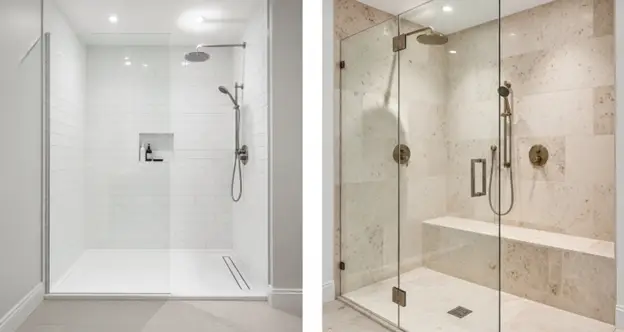
Walk-in showers are a modern bathroom trend, combining style, accessibility, and convenience. If you’re considering upgrading your bathroom, one of the first questions is: how much does a walk in shower cost? The answer isn’t one-size-fits-all, pricing depends on materials, size, labor, and optional features. In this comprehensive guide, we’ll break down every cost factor, provide examples, and show you how to budget for your dream walk-in shower.
Whether you’re planning a basic installation or a luxury remodel, this guide covers everything you need to know, with insights even The Kitchen Consultants would approve for accuracy and detail.
Short Answer: How Much Does a Walk In Shower Cost?
For homeowners who want a quick answer, here’s the national pricing overview:
- Low-end prefabricated units: $2,000–$3,000
- Mid-range custom showers: $8,000–$15,000
- Luxury/high-end showers: $15,000–$25,000+
- National average: Around $9,500
Keep in mind, your final cost depends on several variables: shower size, materials, labor, and any extra features like frameless glass or multiple showerheads. For example, a standard 32”x32” prefab shower is significantly cheaper than a large, open-concept, tiled design with custom stone accents.
Understanding Walk-In Shower Costs: Core Factors
Material Costs
The type of material you choose has a huge impact on cost:
- Acrylic/Fiberglass: $2–$10 per sq ft — durable and affordable, easy to maintain.
- Tile (Ceramic/Porcelain): $5–$25 per sq ft — versatile with many styles.
- Natural Stone/Marble: $10–$100+ per sq ft — luxurious, long-lasting, but requires sealing.
Durability, maintenance, and aesthetic appeal should guide your decision. For example, porcelain tiles provide elegance without the high upkeep of natural stone.
Labor Costs
Labor is often the largest single expense:
- Plumbing modifications, demolition, waterproofing, and tile installation can range from $2,500 to $8,000+.
- Labor costs vary by region, complexity, and skill level.
- For luxury designs, tiling alone can cost $30–$50 per sq ft, sometimes more for custom patterns.
Pro tip: labor sometimes costs more than materials, especially for intricate or high-end installations.
Size and Layout
Shower dimensions directly affect cost:
- Standard 32”x32” showers are economical.
- Open-concept or large walk-in showers require more materials, waterproofing, and labor, which increases the price substantially.
Structural Changes
If your bathroom needs adjustments, expect added costs:
- Subfloor repairs
- Moving plumbing lines
- Reinforcing walls for grab bars or benches
These changes can add thousands of dollars to your project. Budget carefully and include these potential surprises.
Extra Features
Features elevate functionality and aesthetics, but also cost:
- Frameless glass doors
- Built-in benches
- Multiple showerheads
- Specialty lighting
Each upgrade increases the total price, but it also enhances comfort and resale value.
Types of Walk-In Showers and Their Costs
Basic Walk-In Showers
- Materials: Prefabricated acrylic/fiberglass
- Labor: Minimal
- Cost range: $2,000–$8,000
- Ideal for small bathrooms or budget-conscious remodels.
Mid-Range Walk-In Showers
- Materials: Tile, standard glass
- Labor: Medium
- Cost range: $8,000–$15,000
- Often includes custom tile work, benches, and upgraded fixtures.
Luxury/High-End Walk-In Showers
- Materials: Stone, marble, frameless glass
- Labor: High
- Cost range: $15,000–$25,000+
- Features multiple showerheads, large open layouts, and premium finishes.
Guide to Calculating Your Walk-In Shower Cost
Step 1 – Determine Your Shower Type
Decide whether you want:
- Prefab: Quick, affordable
- Mid-range: Customizable, balanced cost
- Luxury: High-end materials and full customization
Consider long-term maintenance — luxury materials may be more expensive upfront but last decades.
Step 2 – Measure Your Space
Measure your bathroom carefully:
- Width, length, ceiling height
- Consider space for doors, benches, and accessibility
Accurate measurements prevent costly mistakes during installation.
Step 3 – Choose Materials
Select materials based on aesthetics, cost, and durability:
- Tile vs. Stone vs. Acrylic
- Tile provides flexibility; stone adds luxury
- Acrylic is cost-effective and low maintenance
Factor in both purchase price and installation complexity.
Step 4 – Factor Labor Costs
Labor includes:
- Demolition of old fixtures
- Plumbing adjustments
- Waterproofing and tiling
- Glass door installation
Request quotes from multiple contractors to compare prices.
Step 5 – Add Features and Accessories
Decide on extras:
- Benches
- Grab bars
- Specialty lighting
- Frameless glass vs. semi-frameless
Each addition enhances functionality but also increases the total cost.
Step 6 – Include Contingency
Set aside 10–15% extra for unexpected costs like hidden water damage or plumbing issues. Planning ahead avoids budget shocks.
Walk-In Shower Cost Comparison Table
| Type | Materials | Labor | Average Total Cost | Notes |
| Basic | Acrylic/Fiberglass | Low | $2,000–$8,000 | Prefab kits, minimal plumbing |
| Mid-Range | Tile/Standard Glass | Medium | $8,000–$15,000 | Custom tile, optional bench |
| Luxury | Stone/Marble/Frameless Glass | High | $15,000–$25,000+ | Multiple showerheads, high-end finishes |
Common Questions People Also Ask
How much does it cost to remove a bathtub and install a walk-in shower?
Typical range: $3,000–$8,000
Includes demolition, plumbing relocation, and disposal fees.
Can I install a walk-in shower myself?
DIY is possible with prefab kits, but risks include leaks, poor waterproofing, and wasted materials. Hiring professionals often saves money long-term.
How much does a one-day walk-in shower remodel cost?
One-day remodels with prefab units typically range from $2,000–$5,000. Limited customization keeps costs down.
How much does it cost per square foot?
- Labor + materials: $50–$200 per sq ft
- Tile labor and premium materials can push higher.
Do walk-in showers add value to a home?
Yes. Mid-range showers often provide ROI of 60–70%, while luxury upgrades can increase resale appeal significantly.
Cheapest walk-in shower options
Prefab acrylic or fiberglass units from Home Depot or Lowe’s are the most budget-friendly, often under $3,000 installed.
High-end options for small bathrooms
Use frameless glass corners and compact tiles to achieve luxury feel without expanding your footprint.
How to save money without sacrificing quality
- Choose semi-frameless glass
- Opt for smaller tiles
- Limit plumbing changes to essential updates
Conclusion
The cost of a walk-in shower ranges widely based on materials, labor, size, and features. Basic prefabs can cost as little as $2,000, while luxury custom installations can exceed $25,000. Mid-range showers typically fall between $8,000–$15,000, which balances style, functionality, and cost.
Customization drives the final price, so accurate budgeting should include all materials, labor, structural changes, and optional features. By carefully selecting materials, features, and contractors, homeowners can create a walk-in shower that is functional, beautiful, and adds value to their home.
Whether you’re installing your first walk-in shower or upgrading an existing bathroom, understanding the full scope of costs ensures a smoother renovation experience and a result you’ll love for years to come.