
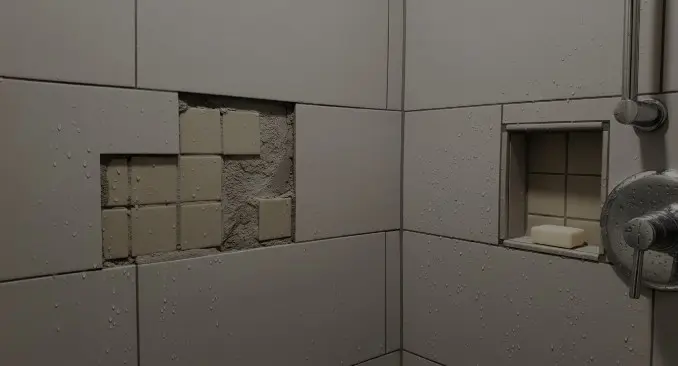
Renovating a shower can be daunting, especially when it comes to dealing with old tiles. Many homeowners wonder: can you put tile over tile in a shower? The idea is tempting it can save time, reduce mess, and give your bathroom a fresh look without major demolition. But is it practical, safe, and long-lasting? In this guide, we’ll explore everything you need to know about tiling over existing tiles, including pros, cons, step-by-step instructions, and expert tips to ensure a durable finish.
Short Answer: Can You Put Tile Over Tile in a Shower?
Yes, you can put tile over tile in a shower, but it’s not always the best solution. It works best when the existing tiles are in excellent condition firmly adhered, without cracks, and properly waterproofed. Tiling over tile can save time and reduce demolition debris, making it ideal for quick bathroom upgrades.
However, there are risks: poor adhesion, increased wall thickness, and potential moisture issues can compromise the new tiles. If the existing tiles are damaged or the waterproofing is compromised, it’s better to remove them completely.
Recommended: Only tile over tile if the current installation is sound and you’re prepared to follow proper preparation steps.
Understanding the Concept of Tiling Over Tile
What Does Tiling Over Tile Mean?
Tiling over tile is exactly what it sounds like: installing new tiles directly on top of an existing tiled surface. This method is commonly considered in:
- Renovations: Updating outdated tile patterns without demolition.
- Aesthetic improvements: Changing the bathroom’s look quickly.
- Cost-saving measures: Reducing labor and disposal costs associated with removing old tiles.
It’s important to note that this technique is only suitable for tiles firmly attached to a solid, waterproof substrate.
Pros of Tiling Over Existing Tile
- Cost and Time Savings – No need to remove old tiles, which can save hundreds of dollars in labor.
- Less Demolition and Debris – Minimal mess, less dust, and no disposal fees.
- Quick Modernization – A new tile design can transform your bathroom in a matter of days.
Cons and Risks of Tiling Over Existing Tile
- Adhesion Issues – New tiles may not stick well if old tiles are glossy or damaged.
- Weight and Structural Concerns – Adding an extra layer can stress walls, especially in older homes.
- Moisture and Mold Risks – Any trapped water can lead to mold behind the new tiles.
- Warranty or Code Compliance Concerns – Some manufacturers or building codes may not approve tiling over old tiles.
Factors to Consider Before Installing Tile Over Tile in a Shower
Condition of Existing Tiles
Check the existing tiles for:
- Cracks or chips
- Loose tiles
- Water damage or mold
Any issues must be repaired before tiling over. Old grout can also impact adhesion; scuffing or sanding may be required.
Shower Substrate and Waterproofing
A strong, waterproof base is critical. Evaluate:
- Wall strength (cement backer board is ideal)
- Moisture barriers behind tiles
- Existing waterproof membranes
Failing to address these can lead to leaks and long-term damage.
Type of Tile Suitable for Over-Tiling
Not all tiles are created equal:
- Ceramic – Lightweight and easier to install over existing tile.
- Porcelain – Denser and heavier; requires a strong substrate and strong adhesive.
- Natural Stone – High weight; only recommended if walls can support it.
Tile thickness is also important too thick can affect shower fixtures and door installation.
Step-by-Step Guide: How to Put Tile Over Tile in a Shower
Tools and Materials Needed
- Tile adhesive suitable for over-tile installation
- Tile spacers
- Tile cutter or wet saw
- Grout and sealer
- Backer board (if reinforcement needed)
- Sponge, level, and trowel
Preparation Steps
- Clean and Degrease – Remove soap scum, dirt, and oils from existing tiles.
- Remove Loose or Damaged Tiles – Replace or repair to ensure a solid surface.
- Scuff or Etch Tiles – Use sandpaper or a grinder to create a rough surface for adhesion.
Installation Process
- Apply the correct adhesive evenly using a notched trowel.
- Place tiles carefully, using spacers to maintain uniform gaps.
- Cut tiles to fit edges, corners, and around fixtures.
Finishing Touches
- Let adhesive cure fully as per manufacturer’s instructions.
- Apply grout, wipe off excess, and seal grout lines.
- Inspect for level alignment, gaps, or cracks before using the shower.
Alternatives to Tiling Over Tile
Removing Old Tile Completely
- Pros: Eliminates adhesion risks, allows waterproofing repairs, more design flexibility.
- Cons: Higher labor and disposal cost, longer renovation time.
Using Tile-Over-Panels or Waterproof Boards
- Types: Acrylic, PVC, fiberglass panels
- Benefits: Quick installation, waterproof, minimal maintenance, avoids adding weight to walls
Comparison Table: Tile Over Tile vs. Full Tile Replacement
| Feature | Tile Over Tile | Full Tile Replacement |
|---|---|---|
| Cost | Lower | Higher |
| Time | Faster | Slower |
| Risk of Water Damage | Moderate | Lower |
| Structural Concerns | Higher | Lower |
| Longevity | 10–15 years | 20+ years |
| Design Flexibility | Limited | Unlimited |
Common Questions About Putting Tile Over Tile in a Shower
- Can you put tile over ceramic tile in a shower? – Yes, if the ceramic tiles are in good condition and properly prepared.
- How long does tile over tile last in a wet area? – Typically 10–15 years with proper installation.
- Do I need special adhesive to tile over tile? – Yes, use an adhesive specifically rated for over-tile applications.
- Can I tile over tile with grout lines? – Yes, but existing grout lines should be leveled or scuffed for better adhesion.
- Will tiling over tile increase the shower wall thickness too much? – Slightly, which can affect shower doors or fixtures; measure carefully.
- How to prevent mold when tiling over tile? – Ensure existing tiles are clean, dry, and waterproofed; seal grout properly.
- Is tiling over tile allowed by building codes? – Usually yes, if walls are structurally sound, but always check local codes.
- Can natural stone be installed over existing tiles? – Only if walls can support the added weight and proper adhesive is used.
Conclusion
Tiling over tile in a shower can be a convenient and cost-effective renovation method, but it requires careful consideration. Check the condition of existing tiles, ensure waterproofing, and use the right materials to avoid common pitfalls like adhesion failure or mold growth. While tiling over tile saves time and labor, a full tile replacement offers better longevity, design flexibility, and long-term safety.
For homeowners and contractors alike, the decision comes down to weighing immediate convenience versus long-term durability. With proper preparation and attention to detail, tiling over tile can provide a beautiful, functional shower upgrade without the mess of a full renovation. For more information and remodeling visit The Kitchen Consultants now!