
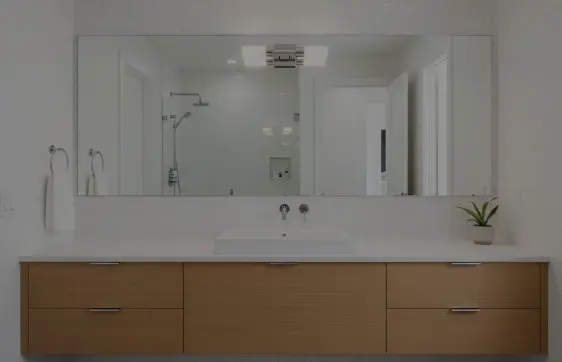
Choosing the right mirror size is one of the most overlooked but most impactful decisions in bathroom remodeling. Homeowners often focus on vanities, countertops, and fixtures, yet selecting the wrong mirror can instantly disrupt the balance of the entire space. If you’re asking how big should mirror over vanity be, the answer goes beyond vanity width alone. Proper sizing depends on proportions, ceiling height, lighting layout, and the overall bathroom design.
A correctly sized bathroom vanity mirror enhances natural and artificial light, improves daily functionality, and creates visual harmony. Whether you’re remodeling a compact powder room, upgrading a guest bathroom, or designing a luxury master bath, the mirror size for bathroom vanity plays a critical role in both aesthetics and resale value. Modern bathroom remodeling trends increasingly favor oversized mirrors, LED-backlit designs, and clean, minimalist styles making sizing more important than ever.
In this guide, you’ll find expert-backed sizing rules, current design trends, a step-by-step measuring process, common mistakes to avoid, and ROI-focused insights. By the end, you’ll know exactly how big your vanity mirror should be and how to choose one that elevates your entire bathroom.
How Big Should a Mirror Over a Vanity Be? Standard Sizing Rules
When determining how big should mirror over vanity be, designers follow a few proven guidelines that work across most bathroom layouts.
First, mirror width should generally be 2–4 inches narrower than the vanity. This creates a clean frame of reference and prevents the mirror from overpowering the cabinetry. As a rule of thumb, the ideal mirror width is about 70–80% of the vanity width. For example, a 36-inch vanity pairs well with a mirror between 26 and 30 inches wide.
Mirror height is equally important. Most bathroom vanity mirrors fall between 28 and 36 inches tall, depending on ceiling height and user needs. The bottom of the mirror should sit 5–10 inches above the vanity countertop, allowing space for backsplashes and faucets without crowding the reflection.
Top alignment options include aligning the mirror with:
- Light fixtures for symmetry
- Door frames or ceiling lines for architectural consistency
Single-sink vanities typically use one centered mirror. Double sink mirror size decisions depend on style: either one large mirror spanning both sinks or two individual mirrors centered over each basin. Wall-mounted framed mirrors add character, while frameless mirrors offer a modern, seamless look.
Top Bathroom Renovation Trends for Vanity Mirrors
Modern bathroom remodeling places heavy emphasis on mirror design, making size and style a central feature rather than an afterthought.
One of the biggest modern bathroom mirror trends is oversized and wall-to-wall mirrors. These visually expand the space and reflect more light, making even small bathrooms feel larger. Backlit LED vanity mirrors are also trending, offering integrated lighting that eliminates harsh shadows and adds a luxury feel.
Frameless mirrors remain popular for minimalist designs, while thin metal frames in black, brass, or chrome suit contemporary and transitional bathrooms. Mirrors integrated with medicine cabinets provide storage without sacrificing aesthetics—especially valuable in smaller bathrooms.
Vertical mirrors are increasingly used in narrow layouts, drawing the eye upward and improving proportions. When considering bathroom mirror proportions, the mirror should align with vanity depth and sink placement to avoid awkward reflections.
Trend compatibility matters too. Traditional bathrooms often favor framed or beveled mirrors, while contemporary spaces lean toward large, clean-lined designs. The right mirror size can dramatically influence how open, balanced, and upscale your bathroom feels.
Step-by-Step Guide: Choosing the Right Mirror Size for Your Bathroom Vanity
Follow this practical process to determine the perfect vanity mirror height and width for your space.
Step 1: Measure the vanity.
Record the width, height, and backsplash dimensions. This forms the foundation for mirror sizing.
Step 2: Identify sink and faucet placement.
Ensure the mirror centers over the sink basin and clears tall faucets or wall-mounted fixtures.
Step 3: Evaluate lighting.
Side sconces require different spacing than overhead lights. The mirror should complement, not block, light sources.
Step 4: Choose mirror type.
Decide between framed, frameless, or a mirrored medicine cabinet. Frames add bulk and affect perceived size.
Step 5: Test proportions.
Use painter’s tape to outline mirror dimensions on the wall. This visual test helps confirm scale before purchase.
Step 6: Check ceiling height and clearances.
Ensure the mirror doesn’t crowd doors, windows, or crown molding.
Pro Tip: In households with users of different heights, slightly taller mirrors improve usability for everyone—an often-overlooked detail in bathroom remodeling.
Common Bathroom Remodel Mistakes When Choosing Vanity Mirrors
Even a high-end remodel can fall short if mirror sizing is wrong. Common mistakes include choosing a mirror wider than the vanity, which disrupts balance and looks unprofessional. Hanging the mirror too high or too low is another frequent issue, reducing functionality and visual appeal.
Ignoring lighting placement leads to glare or shadows, while undersized mirrors in large bathrooms feel out of proportion. Homeowners also forget to account for electrical outlets, switches, or wall-mounted fixtures, forcing awkward placements later.
Finally, failing to align mirror style with the overall bathroom remodeling design can cheapen the look. A modern vanity paired with a traditional mirror or vice versa creates visual disconnect. Planning mirror size and style early avoids these costly errors.
Maximizing ROI in Bathroom Remodeling with Proper Mirror Selection
Choosing the correct mirror size directly impacts perceived value and buyer appeal. Real estate professionals consistently note that bathrooms with balanced proportions and good lighting photograph better and feel more luxurious boosting ROI.
Buyers increasingly prefer modern vanity mirrors, especially oversized or LED-backlit options. These upgrades are relatively affordable compared to full remodels yet deliver a high visual impact. Mirrors that enhance both natural and artificial light make bathrooms feel brighter, cleaner, and larger.
Properly sized mirrors also complement premium finishes like stone countertops and custom cabinetry, reinforcing the overall quality of the remodel.
Comparison Table: Budget vs High-End Vanity Mirrors
| Feature | Budget Bathroom Mirror | High-End Vanity Mirror |
|---|---|---|
| Size | Standard small mirror | Oversized or wall-wide |
| Lighting | External fixtures | Integrated LED |
| Frame | Basic or none | Designer metal/wood |
| ROI Impact | Moderate | High |
Frequently Asked Questions About Bathroom Vanity Mirror Size
How big should a mirror over a vanity be for a 36-inch vanity?
Ideally between 26 and 30 inches wide, depending on style and lighting.
Should the mirror be the same width as the vanity?
No. It’s best if the mirror is slightly narrower for proper proportions.
Is one large mirror better than two mirrors for double vanities?
Both work. One large mirror feels modern; two mirrors offer symmetry and personal space.
How high should a bathroom mirror be mounted?
Typically 5–10 inches above the countertop, adjusted for user height.
Do modern bathroom remodels use oversized mirrors?
Yes. Oversized mirrors are a leading trend in modern bathroom remodeling.
Conclusion
Choosing the right vanity mirror size isn’t just a design decision it’s a strategic choice that affects daily usability, visual balance, and long-term value. By understanding how big should mirror over vanity be, following standard sizing rules, and aligning mirror proportions with lighting and layout, you can dramatically elevate your bathroom. Whether you’re refreshing a powder room or planning a full bathroom remodeling project, the right mirror ensures your investment delivers both style and function.
Ready to remodel your bathroom? Explore our expert guides on vanity selection, lighting layouts, and renovation trends or consult a professional remodeler to ensure every detail is sized to perfection.