
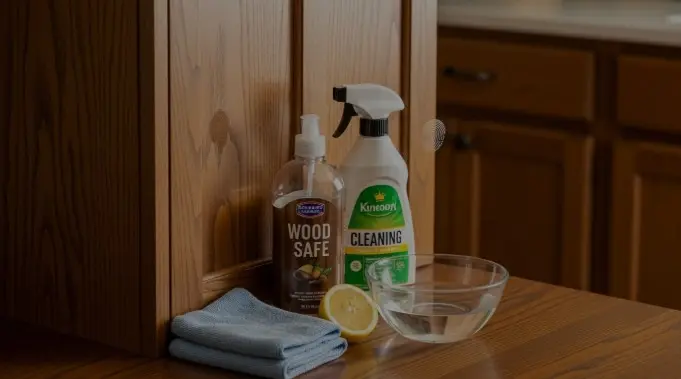
Keeping your wood kitchen cabinets clean is essential for maintaining the beauty, durability, and hygiene of your kitchen. However, cleaning wood requires careful attention because harsh chemicals, abrasive tools, or excessive water can easily damage the finish. If you’ve been wondering how to clean wood kitchen cabinets without damaging the finish, this guide provides expert techniques, instructions, and maintenance tips to keep your cabinets looking brand-new for years.
Quick Answer – How to Clean Wood Kitchen Cabinets Without Damaging the Finish
To safely clean wood kitchen cabinets, use a mild soap or a specialized wood cleaner with a soft microfiber cloth. Always test any cleaning solution on a small, hidden area first. Avoid harsh chemicals, excessive water, or abrasive tools to prevent scratching, discoloration, or peeling of the finish.
Understanding Wood Kitchen Cabinet Finishes
Types of Wood Cabinet Finishes
Before cleaning, it’s important to understand the type of finish on your cabinets:
- Solid Wood vs. Veneer: Solid wood is more durable and can be refinished, while veneer is a thin wood layer on composite material, which is more sensitive to water and chemicals.
- Lacquer: Smooth, glossy, and requires gentle cleaning; scratches easily.
- Varnish/Polyurethane: Hard protective coating; generally more resistant but can still be damaged by harsh solvents.
- Shellac: Traditional finish, sensitive to water and alcohol-based cleaners.
- Painted Cabinets: Can chip or fade if scrubbed aggressively or exposed to strong chemicals.
Knowing your cabinet finish helps determine which cleaning method will work best without causing damage.
Why Cleaning Techniques Matter
Using the wrong cleaning method can ruin your cabinets in several ways:
- Harsh Chemicals or Scrubbing: Can strip the finish, leaving wood vulnerable to moisture.
- Water Damage: Excess water can cause warping, swelling, or discoloration.
- Oils and Heat: Cooking oils, steam, or hot appliances left on cabinets can cause sticky buildup or fading.
The goal is to clean effectively while preserving the cabinet’s integrity.
Common Mistakes to Avoid When Cleaning Wood Cabinets
Avoid these common errors to prevent damage:
- Abrasive Scrubbers or Steel Wool: Scratches the surface and dulls the finish.
- Over-Wetting the Wood: Can seep into seams and cause warping.
- Harsh Chemical Cleaners: Ammonia, bleach, and strong degreasers can discolor or strip finishes.
- Ignoring Manufacturer Recommendations: Each cabinet may have specific cleaning instructions that should be followed.
Step-by-Step Guide – How to Clean Wood Kitchen Cabinets Without Damaging the Finish
Materials and Tools You’ll Need
- Microfiber cloths
- Mild dish soap or specialized wood cleaner
- Warm water
- Vinegar (optional, for greasy buildup)
- Soft-bristle brush for corners and grooves
Preparation Steps
- Remove Items from Cabinets: Clear shelves to prevent accidental spills or damage.
- Dust or Vacuum Loose Debris: Dust and crumbs can scratch the surface if rubbed during cleaning.
- Test Cleaner on a Hidden Area: Ensure the solution doesn’t discolor or damage the finish.
Cleaning Process
Step 1: Mix Cleaning Solution
- Combine a few drops of mild dish soap in warm water. For stubborn grease, add a tablespoon of vinegar per cup of water.
Step 2: Wipe Cabinets Gently with Cloth
- Dampen a microfiber cloth (not soaked) and wipe cabinet surfaces in the direction of the wood grain.
Step 3: Clean Corners, Handles, and Edges
- Use a soft-bristle brush to remove dirt and grime from grooves, moldings, and hardware areas.
Step 4: Dry Immediately
- Use a dry microfiber cloth to remove all moisture, preventing water damage or streaks.
Step 5: Optional – Apply Wood Polish or Conditioner
- For added shine and protection, lightly apply a high-quality wood polish following the manufacturer’s instructions.
Comparison of Cleaning Methods for Wood Cabinets
| Cleaning Method | Pros | Cons | Best For |
|---|---|---|---|
| Mild Soap & Water | Safe, effective | Can cause streaks if not dried | Most finishes |
| Vinegar Solution | Cuts grease | Strong odor, avoid delicate finishes | Greasy buildup |
| Commercial Wood Cleaners | Professional results | Costly, some chemicals harsh | High-end cabinets |
| Baking Soda Paste | Removes stains | Abrasive if overused | Spot cleaning |
FAQs About Cleaning Wood Kitchen Cabinets
Can I use vinegar to clean wood cabinets?
Yes, vinegar is effective for removing grease, but it must be diluted. Mix one tablespoon of vinegar per cup of warm water. Avoid using on delicate finishes like shellac or certain paints.
How often should I clean my cabinets?
Light cleaning is recommended weekly, with a deep clean every month. This routine prevents buildup of grease, dust, and bacteria.
Will soap and water damage my cabinets?
Not if used properly. Always use a damp, not wet, microfiber cloth, and dry immediately. Excess water can cause swelling or discoloration.
How do I remove sticky grease without ruining the finish?
Use a mild soap solution or diluted vinegar. Apply gently with a soft cloth, focusing on the affected area, and rinse with a slightly damp cloth. Always dry immediately.
Can I use furniture polish as a cleaner?
Furniture polish is designed for shine and protection, not for cleaning. Use it after cleaning to enhance the cabinet finish, not as a substitute for washing.
What if my cabinets are painted?
Avoid abrasive cleaners or ammonia-based products. Stick to mild soap and water, test a small area first, and avoid scrubbing too hard to prevent chipping.
How do I clean hard-to-reach corners?
A soft-bristle brush or toothbrush works well. You can also use cotton swabs dampened with the cleaning solution for tight spaces.
Can I use commercial degreasers?
Only if labeled safe for wood. Many degreasers are too harsh and can strip varnish or lacquer. Always test first and use sparingly.
Maintenance Tips for Long-Lasting Wood Cabinets
- Regular Dusting and Wipe-Downs: Prevents buildup of dirt and grease.
- Avoid Water and Heat Damage: Use trivets for hot pots and wipe spills immediately.
- Protective Pads for Handles and Edges: Reduces wear and tear from daily use.
- Periodic Deep Cleaning: Use safe cleaners monthly to remove accumulated grime.
Conclusion – Keeping Wood Kitchen Cabinets Spotless Without Damage
Cleaning wood kitchen cabinets doesn’t have to be intimidating. By understanding your cabinet finish, avoiding harsh chemicals, and following a gentle step-by-step routine, you can keep your cabinets looking pristine for years. Remember, the key to longevity is a combination of proper cleaning, careful maintenance, and using the right products. With these techniques, your wood cabinets will remain a beautiful centerpiece in your kitchen without risking damage. For your kitchen renovation choose us choose The Kitchen Consultants now!