
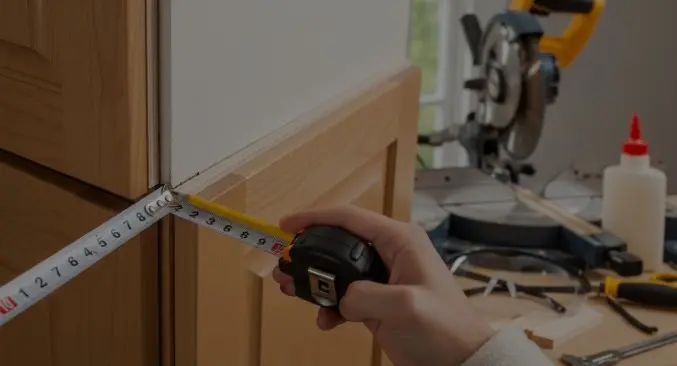
Installing cabinet filler strips may seem like a small detail in a kitchen renovation, but it can make a huge difference in both the functionality and aesthetics of your cabinetry. Filler strips are essential for closing gaps between cabinets, ensuring appliances fit perfectly, and giving your kitchen a polished, professional look. In this comprehensive guide, we’ll cover everything from materials and tools to a detailed step-by-step installation process, common mistakes to avoid, and frequently asked questions.
Short Answer: How to Install Cabinet Filler Strips
Cabinet filler strips are narrow pieces of material designed to fill gaps between cabinets or between cabinets and walls. Installing them involves measuring the gap, cutting the filler strip to size, attaching it with screws or adhesive, and finishing the edges for a seamless look. With the right tools and materials, a typical installation can take about 30–45 minutes per strip, depending on your experience.
Quick Installation Overview:
| Step | Tool Needed | Estimated Time |
|---|---|---|
| Measure gap | Tape measure | 5 mins |
| Cut filler | Saw | 10 mins |
| Attach strip | Screws/adhesive | 10–15 mins |
| Finish edges | Sandpaper/paint | 5–10 mins |
Understanding Cabinet Filler Strips
What Are Cabinet Filler Strips?
Cabinet filler strips are narrow pieces of wood, MDF, or laminate designed to fill the spaces between cabinets or between cabinets and walls. They are necessary for several reasons:
- Spacing: Cabinets are rarely perfectly sized for every kitchen layout. Filler strips fill those gaps to maintain consistent spacing.
- Aesthetics: Exposed gaps look unprofessional and can detract from the overall design.
- Appliance Fit: Filler strips ensure appliances, like refrigerators or dishwashers, fit snugly without leaving unsightly gaps.
Common Materials for Cabinet Filler Strips
Choosing the right material for your filler strip affects durability, finish, and ease of installation.
| Material | Pros | Cons | Best Use |
|---|---|---|---|
| MDF | Smooth, paintable | Can swell with water | Indoor cabinets |
| Solid Wood | Durable, natural look | Expensive | High-end kitchens |
| Laminate | Easy to clean | Less sturdy | Budget-friendly |
MDF is popular for painted cabinets, while solid wood is preferred for premium kitchens, and laminate offers a quick, low-cost solution.
Tools and Materials Needed
Before starting, gather the essential tools and safety equipment:
Required Tools:
- Tape measure
- Saw (hand saw or circular saw)
- Drill and screws or adhesive
Optional Tools:
- Sandpaper for smoothing edges
- Paint or stain for finishing
| Tool | Required | Purpose |
|---|---|---|
| Tape measure | ✅ | Accurate measurement |
| Saw | ✅ | Cutting filler to size |
| Drill | ✅ | Attaching screws |
| Sandpaper | ⚪ | Smoothing edges |
| Paint | ⚪ | Finishing touch |
Safety first! Always wear gloves and eye protection when cutting or drilling.
Step-by-Step Guide: How to Install Cabinet Filler Strips
Step 1 – Measure the Gap
Accurate measurement is crucial for a snug fit. Use a tape measure to determine the exact width and height of the space you want to fill. Double-check your measurements to avoid cutting the strip too short or too long.
Step 2 – Cut the Filler Strip
Cut your filler strip to size using a hand saw, circular saw, or table saw. When working with MDF, cut slowly to prevent chipping. For laminate or solid wood, ensure a straight edge for a professional finish.
Step 3 – Test Fit
Before attaching, place the strip in the gap to ensure it fits snugly without forcing it. Minor sanding may be necessary for adjustments.
Step 4 – Attach the Filler Strip
You can attach filler strips using screws, adhesive, or a combination of both.
| Method | Pros | Cons | Best Use Case |
|---|---|---|---|
| Screws | Secure, durable | Visible holes | Heavy cabinets |
| Adhesive | Clean look | Less strong | Lightweight filler |
| Combination | Best of both | Requires extra effort | Standard kitchens |
If using screws, countersink them slightly and cover with wood filler or paint for a clean look. Adhesive offers a seamless appearance but may not support heavy cabinets alone.
Step 5 – Sand and Finish
Smooth any rough edges with sandpaper and paint or stain to match your cabinets. This ensures the filler strip blends seamlessly and enhances your kitchen’s overall appearance.
Common Mistakes to Avoid
- Measuring inaccurately: Always double-check measurements.
- Using the wrong material: Ensure the filler strip material matches your cabinets.
- Forcing the strip into place: Forcing can cause gaps or damage.
- Ignoring alignment: Misaligned filler strips affect cabinet doors and overall aesthetics.
People Also Ask
Can I use any wood for cabinet filler strips?
Yes, but choose a material compatible with your cabinets’ finish and weight requirements. MDF, solid wood, and laminate are common choices.
How thick should a cabinet filler strip be?
The thickness depends on the gap size, usually ranging from ½ inch to 1 inch. Measure the gap precisely for a custom fit.
Do cabinet filler strips need to be nailed or glued?
Both methods work. Screws provide durability, while adhesive creates a seamless look. Often, a combination of both is ideal.
Can I install filler strips myself, or should I hire a professional?
DIY installation is possible with the right tools and patience. However, for complex layouts or premium materials, professional installation may be recommended.
FAQs
1. How long does it take to install a cabinet filler strip?
Most installations take 30–45 minutes per strip, depending on experience and material.
2. Can I paint MDF filler strips to match cabinets?
Yes, MDF is highly paintable and can be finished to match your cabinet color.
3. What is the best way to attach filler strips to cabinets?
A combination of screws and adhesive usually provides the most secure and seamless installation.
4. How do I hide gaps between the cabinet and wall?
Filler strips are designed to fill these gaps. Measure carefully and cut to size for a snug fit.
5. Can filler strips be removed later without damage?
Yes, if attached with adhesive or screws carefully. Removal may require minor touch-ups.
6. Are there pre-made filler strips available in stores?
Yes, home improvement stores often carry standard-sized filler strips, though custom cutting may still be necessary.
7. Can I install filler strips over existing cabinets?
Yes, as long as there is enough clearance and the material can be securely attached.
8. How do I choose the right thickness of a filler strip?
Measure the gap precisely and choose a thickness that fills the space without forcing.
Conclusion
Properly installed cabinet filler strips are more than just decorative they enhance functionality, protect appliances, and create a polished kitchen appearance. By selecting the right material, gathering essential tools, and following a careful step-by-step process, you can achieve a seamless, professional result. Measure carefully, test your fit, and finish edges for a look that blends perfectly with your cabinetry. Whether tackling this as a DIY project or hiring a professional, understanding how to install cabinet filler strips ensures your kitchen renovation is complete and visually flawless.
Are you ready to get your Kitchen Remodeling Services from quality service providers? You are at the right spot!