
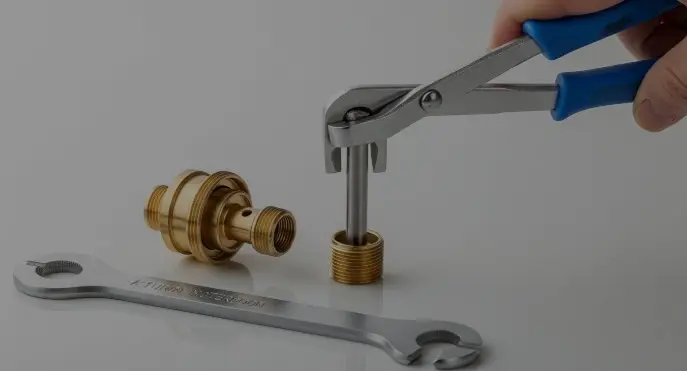
Replacing a single-handle faucet cartridge might sound intimidating, but with the right tools and guidance, it’s a straightforward DIY project. In this guide, we’ll walk you through how to replace a faucet cartridge single handle, covering every step, troubleshooting tips, and comparisons with other faucet types. Whether your faucet is leaking, stiff, or simply worn out, this article gives you everything you need to do it yourself.
Quick Answer: How to Replace a Faucet Cartridge Single Handle
To replace a single-handle faucet cartridge, start by turning off the water supply, removing the handle and retaining clip, extracting the old cartridge, installing a new one, and reassembling the faucet. Essential tools include an adjustable wrench, Allen key, pliers, and plumber’s grease. The process generally takes 30–45 minutes for beginners.
Understanding Single-Handle Faucet Cartridges
What Is a Faucet Cartridge?
A faucet cartridge is the internal component that controls water flow and temperature in a single-handle faucet. Unlike older compression faucets that use washers or stems, cartridges allow smooth movement of the handle and precise water control. They are designed for durability and ease of replacement.
Key differences:
- Cartridges: Modern, easy to replace, control flow and temperature simultaneously.
- Stems: Found in older faucets; may require washers.
- Washers: Simple rubber seals in traditional faucets that often cause drips.
Signs You Need to Replace Your Faucet Cartridge
Replacing your cartridge might be necessary if you notice:
- Water leaking from the spout even when off
- Dripping or constant minor leaks
- Difficulty turning the handle or stiffness
- Reduced water flow or uneven temperature control
Types of Single-Handle Faucet Cartridges
Here’s a quick comparison of common cartridge types:
| Cartridge Type | Material | Compatible Brands | Typical Lifespan | Price Range |
|---|---|---|---|---|
| Ceramic | Ceramic | Moen, Delta | 10-15 years | $15-$25 |
| Plastic | Plastic | Generic | 3-5 years | $5-$10 |
| Brass | Brass | Grohe, Kohler | 15+ years | $20-$35 |
Tools and Materials You’ll Need
Before starting, gather these tools and materials:
- Adjustable wrench
- Allen key or hex wrench
- Pliers
- Plumber’s grease
- Screwdriver (Phillips or flathead)
- Towels to protect your sink
- Optional: Cartridge puller, flashlight
Safety tips:
- Always turn off the water supply before starting
- Protect your countertop or sink with a towel
- Work slowly to avoid damaging the faucet finish
Step-by-Step Guide: How to Replace a Faucet Cartridge Single Handle
Step 1: Turn Off Water Supply
Locate the shutoff valves under the sink. Turn both the hot and cold water valves clockwise to close. If there are no local shutoffs, turn off the main water supply. Open the faucet to drain remaining water.
Step 2: Remove Handle
- Remove the decorative cap on top of the handle.
- Use an Allen key to loosen the screw inside.
- Carefully lift off the handle to avoid scratching the faucet finish.
Step 3: Remove Retaining Nut/Clip
- Some cartridges use a nut, others a clip to hold the cartridge in place.
- Use pliers or a wrench to remove the nut.
- For clips, use a flathead screwdriver to gently pry them out.
Step 4: Extract Old Cartridge
- Pull the old cartridge straight out.
- If stuck, wiggle gently or use a cartridge puller.
- Inspect the faucet body for debris or mineral buildup.
Step 5: Prepare and Install New Cartridge
- Apply a thin layer of plumber’s grease to the O-rings.
- Insert the cartridge into the faucet, aligning tabs with slots.
- Ensure it sits fully and correctly in the faucet body.
Step 6: Reassemble Faucet
- Replace the retaining nut or clip.
- Reattach the handle and tighten the screw.
- Avoid over-tightening, which can damage the cartridge.
Step 7: Test Faucet
- Slowly turn on the water supply.
- Check both hot and cold settings for leaks.
- Adjust handle alignment if necessary.
Step vs Estimated Time Table:
| Step | Task | Time Needed |
|---|---|---|
| 1 | Turn off water supply | 2 min |
| 2 | Remove handle | 5 min |
| 3 | Remove retaining clip | 3 min |
| 4 | Extract old cartridge | 5-10 min |
| 5 | Install new cartridge | 5 min |
| 6 | Reassemble faucet | 5 min |
| 7 | Test & adjust | 5 min |
Common Issues and Troubleshooting
Faucet Still Leaks After Replacement
Causes: Misaligned cartridge, worn O-rings, debris.
Solutions:
- Remove and realign the cartridge.
- Replace O-rings if damaged.
- Clean debris from faucet body and cartridge.
Handle Difficult to Turn
Causes: Over-tightened, wrong cartridge, mineral buildup.
Fixes:
- Ensure correct cartridge model.
- Lubricate O-rings and handle stem.
- Remove mineral deposits using vinegar or a mild descaler.
Single-Handle Faucet Cartridge vs Other Faucet Types
| Faucet Type | Durability | Maintenance | Cost | Common Problems |
|---|---|---|---|---|
| Cartridge | High | Medium | $$ | Minor leaks |
| Ball | Medium | High | $$ | Leaks, handle stiffness |
| Disk | Very High | Low | $$$ | Rare leaks |
| Compression | Low | High | $ | Frequent leaks |
This table highlights why cartridge faucets are preferred for modern kitchens and bathrooms—they offer smooth operation, medium maintenance, and reliable durability.
Frequently Asked Questions (FAQs)
1. Can I replace a faucet cartridge myself?
Yes, with basic tools and careful attention, replacing a single-handle faucet cartridge is a straightforward DIY project.
2. How long does it take to replace a single-handle faucet cartridge?
For beginners, expect 30–45 minutes. Experienced DIYers can finish in under 20 minutes.
3. How do I know which cartridge fits my faucet?
Check your faucet model number or take the old cartridge to a hardware store for a match.
4. Do I need plumber’s tape for faucet cartridges?
No, cartridges have built-in seals; plumber’s tape is not required.
5. Why is my faucet still dripping after replacing the cartridge?
It could be misaligned, the O-rings may be damaged, or debris might be lodged inside the faucet.
6. Can I reuse an old cartridge?
It’s not recommended. Old cartridges may have worn seals and cause leaks.
7. What is the lifespan of a single-handle faucet cartridge?
Ceramic cartridges last 10–15 years, brass 15+, and plastic 3–5 years.
8. Do all brands have compatible cartridges?
No, each manufacturer designs cartridges differently. Always use a compatible replacement.
Conclusion
Replacing a single-handle faucet cartridge is an essential skill for homeowners looking to fix leaks, improve water flow, and save on plumbing costs. By following these step-by-step instructions, using the correct tools, and troubleshooting common problems, you can efficiently restore your faucet to peak performance. Proper maintenance and timely replacement ensure longevity and prevent unnecessary water waste. Mastering how to replace a faucet cartridge single handle is not only cost-effective but also empowering for any DIY enthusiast.