
Plumbing problems can strike at any time, from a minor leak to a major burst pipe. Knowing how to turn water off under sink in bathroom is an essential skill for homeowners. Whether you’re replacing a faucet, fixing a leaking pipe, or preparing for a bathroom remodel, shutting off the water supply properly can prevent costly water damage and reduce stress. Many homeowners struggle to locate the correct valves, accidentally turn off the wrong line, or struggle with stuck valves.
This guide will walk you through the process of turning off your bathroom sink water safely and efficiently. You’ll learn about the key components under your sink, common mistakes to avoid, and even tips for planning a remodel around your existing plumbing. By mastering this basic skill, you’ll be better prepared for small repairs or larger renovation projects, ultimately saving time, money, and frustration.
Section 1: Understanding Your Bathroom Sink Plumbing
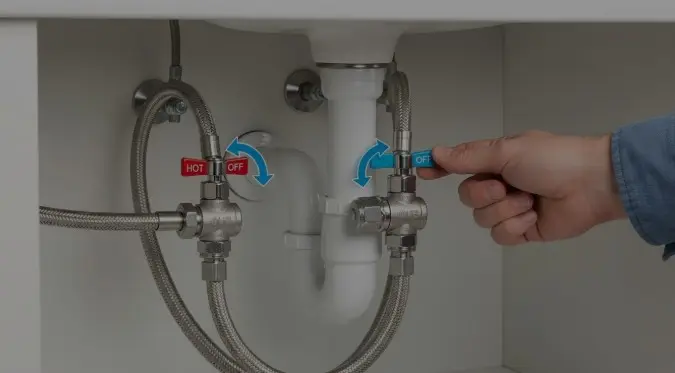
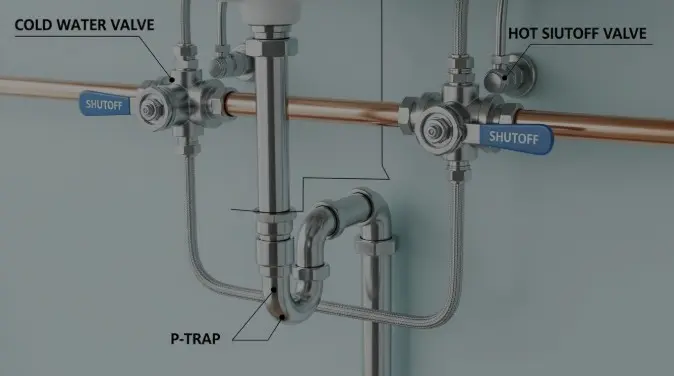
Before you can safely turn off the water under your sink, it’s important to understand the plumbing layout. Most bathroom sinks feature a P-trap, supply lines, and shutoff valves. The P-trap is the curved pipe under the sink that prevents sewer gases from entering your home. Supply lines connect the shutoff valves to your faucet, providing hot and cold water.
The shutoff valves are usually located at the back wall under the sink. Typically, there are two valves: one for hot water and one for cold water. It’s important to identify which is which, especially if you’re performing repairs or replacements. Turning off the wrong valve can lead to confusion or unnecessary water flow.
Safety is crucial. Always ensure that no electrical outlets or appliances are near the area where you’ll be working with water. For homeowners handling plumbing for the first time, using gloves and a small bucket to catch drips can prevent accidents and mess.
Section 2: Top Bathroom Renovation Trends and Why Plumbing Knowledge Matters
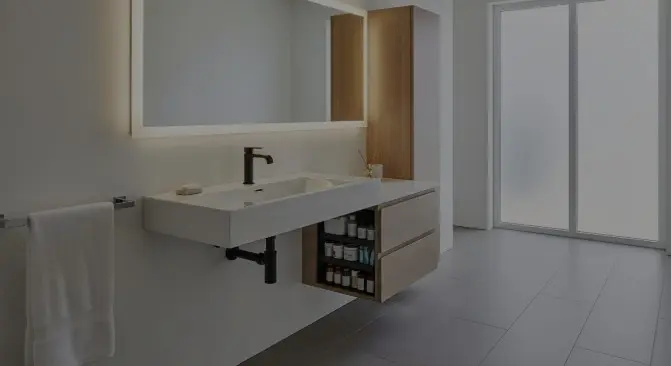
Modern bathroom remodeling trends focus on both aesthetics and efficiency. Popular upgrades include smart faucets, touchless fixtures, water-saving toilets, and sleek vanities that provide easy access to plumbing. While these features improve functionality, they also require a basic understanding of plumbing to maintain them properly.
Knowing how to turn water off under sink in bathroom can save you significant money during renovations. For instance, if you plan to replace a faucet or install a new vanity, shutting off the water supply beforehand avoids accidental leaks that could damage floors or cabinets. Additionally, planning your remodel around existing plumbing reduces the need for expensive pipe rerouting.
By understanding your plumbing, you can make informed decisions on fixture upgrades, layout changes, and water-saving installations. Not only does this knowledge prevent costly errors, but it also enhances the overall value and efficiency of your bathroom remodel.
Section 3: Step-by-Step Guide: How to Turn Off Water Under Your Bathroom Sink
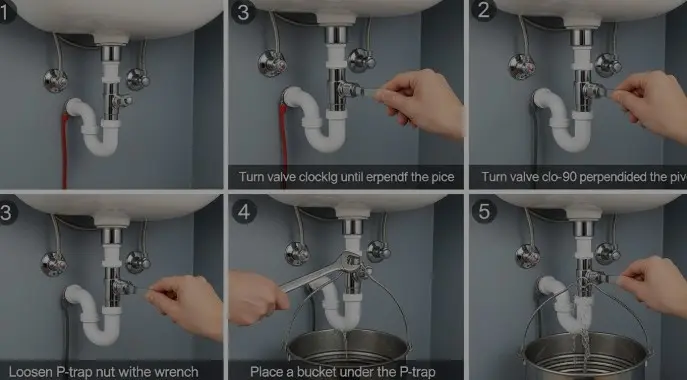
Turning off the water under your bathroom sink is straightforward when done carefully. Follow these steps:
- Locate the Shutoff Valves – Look under your sink for two small valves attached to the wall or floor. The left valve typically controls hot water, and the right controls cold water.
- Turn the Valves Clockwise – Slowly rotate each valve clockwise until fully closed. Avoid forcing the valve if it feels stuck.
- Test the Faucet – Turn on the faucet to confirm that water flow has stopped completely. Residual water may trickle out, which is normal.
- Handle Stuck or Leaking Valves – If a valve won’t turn or leaks when closed, apply gentle lubricant like WD-40 or use pliers carefully. Do not overtighten.
- Optional: Shut Off Main Water Supply – If under-sink valves fail, locate your home’s main water shutoff and turn it off to prevent flooding.
By following these steps, you can safely manage minor repairs and prepare your bathroom for remodeling projects without risk.
Section 4: Common Mistakes to Avoid
Even small mistakes can lead to bigger plumbing problems. Here are common errors homeowners make:
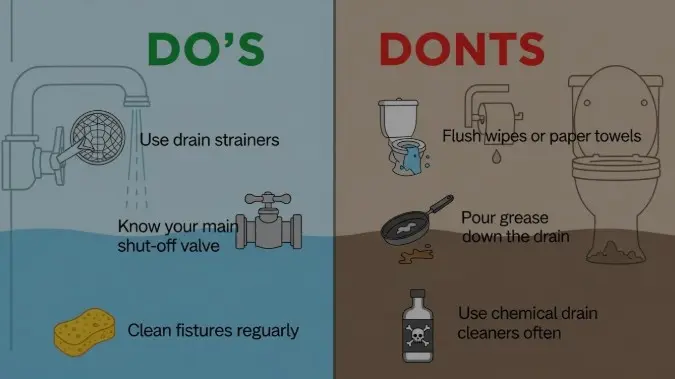
- Forgetting the main water shutoff – If under-sink valves are broken, this can result in flooding.
- Over-tightening valves – Can crack the valve or damage plumbing connections.
- Ignoring small drips – Even minor leaks can escalate into costly water damage over time.
- Using improper tools – Wrenches or pliers that don’t fit correctly can strip valve handles.
- Not checking both hot and cold lines – Always ensure both lines are completely off before working.
Avoiding these mistakes ensures smooth repairs and reduces the risk of unnecessary damage.
Section 5: Maximizing ROI During Bathroom Remodels
Proper plumbing knowledge directly affects the ROI of a bathroom remodel. Learning how to turn water off under sink in bathroom reduces labor costs and prevents mistakes that could otherwise require professional repairs.
Plan your remodel around plumbing efficiency to minimize costly rerouting of pipes. Upgrading to water-saving fixtures, such as low-flow faucets and smart valves, provides long-term savings on utility bills while adding value to your home. Additionally, ensuring easy access to shutoff valves enhances the practicality and safety of your bathroom layout.
FAQ’s
Q: How do I know if my under-sink shutoff valve is broken?
A: Signs include leaks, stiffness when turning, or continued water flow even when the valve is closed.
Q: Can I turn off water without tools?
A: Most valves can be hand-operated, but pliers may be needed for stuck valves.
Q: How often should I check my under-sink valves?
A: At least once a year, or before any plumbing project, to ensure they function properly.
Q: What should I do if water still runs after shutting off the valves?
A: Turn off the main water supply immediately and call a plumber if necessary.
Q: Are there smart valves for easier water shutoff?
A: Yes, modern bathrooms may feature electronic or remote-controlled valves for convenience.
Comparison Table: Bathroom Sink Valve Types
| Valve Type | Pros | Cons | Best Use Case |
|---|---|---|---|
| Standard Stop Valve | Simple, cheap | Can corrode over time | Most residential sinks |
| Quarter-Turn Ball Valve | Easy to operate | Slightly more expensive | Modern renovations |
| Electronic Shutoff | Automated, convenient | Requires electricity | Smart bathrooms |
Conclusion
Learning how to turn water off under sink in bathroom is a simple yet essential skill for any homeowner. It helps prevent water damage during repairs, prepares you for remodeling projects, and ensures safety in your home. By following our step-by-step guide, avoiding common mistakes, and planning plumbing upgrades strategically, you can save money, increase your bathroom’s value, and handle DIY projects confidently. Start practicing these plumbing basics today and make your next bathroom renovation smoother and more cost-effective.