
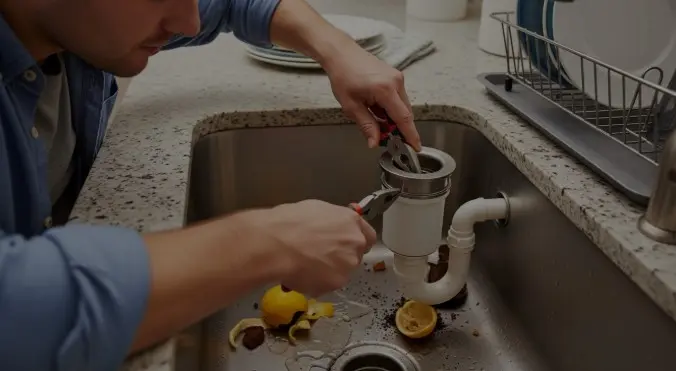
A clogged kitchen sink can disrupt your daily routine, especially if you rely on a garbage disposal. Fortunately, unclogging a kitchen sink with a garbage disposal is often straightforward if you follow the right methods. In this guide, we’ll walk you through why clogs happen, the safest and most effective unclogging techniques, preventive tips, and answers to common questions. By the end, you’ll be equipped to handle most disposal-related blockages yourself.
Quick Answer – How to Unclog a Kitchen Sink with a Garbage Disposal
The fastest way to unclog a kitchen sink with a garbage disposal is to first turn off the power, then manually rotate the disposal’s blades using an Allen wrench to dislodge any stuck debris. For minor clogs, flushing the drain with hot water or using a natural cleaner like baking soda and vinegar can also restore proper flow.
Safety warning: Never attempt to unclog a garbage disposal while it’s plugged in or powered on. Always disconnect electricity before inserting tools or your hands into the unit.
Understanding Why Your Kitchen Sink Gets Clogged
Common Causes of Garbage Disposal Clogs
Understanding why your garbage disposal clogs can help prevent future problems. Common causes include:
- Food debris: Starchy or fibrous foods such as potato peels, celery, corn husks, and eggshells can get stuck and form blockages.
- Grease and soap scum: Oils and fats solidify in pipes and combine with soap residues to form stubborn clogs.
- Foreign objects: Utensils, bottle caps, or small kitchen items accidentally dropped into the disposal can jam the blades and halt drainage.
How Garbage Disposals Work
A garbage disposal uses a rotating blade system powered by a motor to shred food particles so they can pass through the drain. Proper operation requires running cold water to push food through the pipes while the blades grind efficiently. Improper use, like disposing of fibrous or greasy items, can overwhelm the disposal and create clogs.
Safety Considerations Before Unclogging
Before attempting any unclogging method:
- Turn off the power by unplugging the disposal or switching off the circuit breaker.
- Never put your hands inside a disposal unit. Use proper tools like tongs or an Allen wrench.
- Wear gloves if handling debris directly.
Following these precautions minimizes the risk of injury and prevents further damage to your disposal.
People Also Ask About Unclogging Garbage Disposals
Many homeowners face recurring questions about unclogging garbage disposals. Some of the most common include:
- Why is my garbage disposal making a humming noise but not draining?
- Can I use a plunger on a garbage disposal?
- What’s the best way to prevent future clogs?
- Is chemical drain cleaner safe for garbage disposals?
- How do I reset my garbage disposal?
Addressing these questions helps clarify proper maintenance and unclogging techniques.
Step-by-Step Guide: How to Unclog a Kitchen Sink with a Garbage Disposal
Step 1 – Turn Off Power and Ensure Safety
Before doing anything, disconnect the disposal from power. Locate the plug under the sink or turn off the corresponding breaker. This ensures you won’t risk serious injury while working inside the unit.
Step 2 – Remove Visible Debris
Look into the disposal with a flashlight. Using tongs or pliers, remove any visible food particles or objects causing the jam. Avoid using your hands, even with gloves.
Step 3 – Use an Allen Wrench to Manually Rotate the Disposal
Most disposals have a hex socket at the bottom. Insert an Allen wrench and rotate it back and forth to free jammed blades. This is often the most effective method for clogs caused by fibrous or hard debris.
Step 4 – Flush the Disposal with Hot Water
After dislodging the debris, pour hot water down the drain to flush out remaining particles. For eco-friendly cleaning, use a mixture of baking soda and vinegar, allowing it to foam and dissolve minor buildup.
Step 5 – Use a Plunger (If Necessary)
For partially clogged drains beyond the disposal, a plunger can help. Ensure a tight seal over the sink drain, then pump gently to avoid splashing. Excessive force can damage pipes or the disposal.
Step 6 – Reassemble and Test
Restore power to the disposal and run cold water while operating the unit. Listen for smooth operation and check for leaks. If the sink drains normally, your clog has been successfully cleared.
Comparison Table: Methods to Unclog a Kitchen Sink with a Garbage Disposal
| Method | Pros | Cons | Best Use Case |
|---|---|---|---|
| Manual Wrench Rotation | Safe, effective | Requires access | Most common clogs |
| Hot Water Flush | Non-toxic, easy | May not remove solids | Minor grease buildup |
| Baking Soda & Vinegar | Eco-friendly | Slower | Preventive maintenance |
| Plunger | Quick | Risk of splash, mess | Partially clogged drains |
| Chemical Drain Cleaner | Quick action | Can damage disposal | Last resort only |
This table helps homeowners choose the right method based on clog severity, safety, and convenience.
Tips for Preventing Future Garbage Disposal Clogs
Preventing clogs is easier than fixing them. Keep your disposal running smoothly with these tips:
- Avoid certain foods: Potato peels, pasta, coffee grounds, and fibrous vegetables can cause jams.
- Run cold water while using the disposal to solidify grease and flush debris.
- Routine cleaning: Grind ice cubes or citrus peels monthly to clean blades and reduce odors.
- Monthly inspection: Check for leaks, unusual noises, and signs of wear.
Consistent maintenance reduces the likelihood of emergency clogs and extends the life of your disposal.
FAQs About Unclogging a Kitchen Sink with a Garbage Disposal
- Can I fix a clogged disposal without turning it off?
No. Always disconnect power before attempting any unclogging method to avoid serious injury. - How do I know if my garbage disposal is jammed or clogged?
A humming sound without drainage usually indicates a jammed disposal, while slow draining may signal a clog in the pipes. - Is it safe to use a drain snake in a garbage disposal?
Yes, but only for clogs beyond the disposal. Do not force the snake inside the disposal chamber. - How long does it take to unclog a kitchen sink with a disposal?
Most clogs can be resolved in 10–20 minutes, depending on severity. - Can professional plumbers fix all types of disposal clogs?
Yes, they have specialized tools for both simple and severe blockages. - What are signs I need a new garbage disposal?
Persistent clogs, loud grinding noises, leaks, or frequent breakdowns indicate it may be time for replacement. - How often should I clean my garbage disposal?
Monthly cleaning is recommended to maintain efficiency and hygiene. - Are natural cleaners as effective as chemical cleaners?
For routine maintenance, baking soda and vinegar are safe and effective. Chemical cleaners should only be used as a last resort due to potential damage.
Conclusion
Unclogging a kitchen sink with a garbage disposal doesn’t have to be intimidating. By following the step-by-step guide, using the right tools, and practicing preventive maintenance, most homeowners can restore proper drainage safely and efficiently. Always prioritize safety, avoid hazardous foods, and schedule regular inspections. With these practices, you can keep your disposal running smoothly and prevent future clogs. For home improvement do visit The Kitchen Consultants now!