
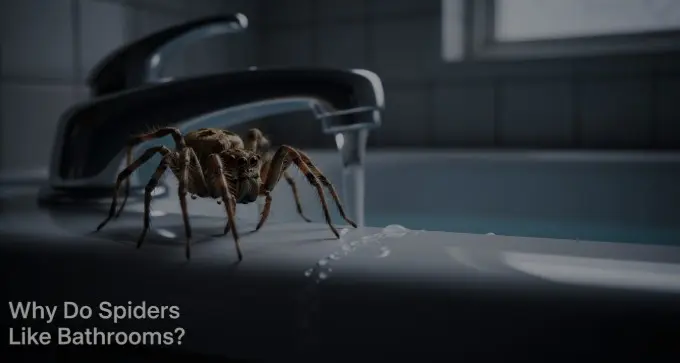
Bathrooms are some of the most common places where homeowners encounter spiders, often sparking curiosity and concern. Understanding why spiders gravitate to these spaces can help homeowners manage their presence safely and effectively. In this comprehensive guide, we’ll explain the reasons behind bathroom spider sightings, explore spider behavior, and provide practical, step-by-step methods for reducing infestations.
Short Answer – Why Spiders Are Attracted to Bathrooms
Immediate Explanation
Spiders are drawn to bathrooms primarily because these spaces meet their basic survival needs. Bathrooms typically provide:
- Moisture: Spiders are highly sensitive to humidity, which helps them stay hydrated and supports the insects they prey upon.
- Warmth: Bathrooms often maintain a consistent temperature due to hot water usage and insulation.
- Food availability: Bathrooms attract small insects like flies, mosquitoes, and drain gnats, which serve as prey for spiders.
Common species found in bathrooms include cellar spiders, known for their long, delicate legs and webs in corners, and house spiders, which often build webs near sinks or under cabinets.
Key Factors in Simple Terms
- High Humidity and Condensation – Bathrooms generate moisture from showers and sinks, creating an ideal environment for spiders.
- Presence of Insects – The small bugs that inhabit bathrooms provide a steady food source.
- Quiet, Undisturbed Areas – Spiders prefer spaces that see little activity, such as behind toilets, under cabinets, or near vents.
Understanding Spider Behavior in Bathrooms
Spider Habits and Environmental Preferences
Spiders are highly adaptable creatures, but they favor damp, dark environments. Bathrooms provide:
- Shelter and hiding spots: Corners, crevices, and spaces behind fixtures allow spiders to remain hidden from predators.
- Seasonal behavior: In cooler months, spiders may seek indoor spaces to escape lower outdoor temperatures, increasing bathroom sightings.
Their biology supports survival in areas with consistent moisture and moderate warmth. Most spiders are nocturnal, which explains why they are more often seen at night.
How Bathrooms Meet These Needs
Bathrooms fulfill spiders’ environmental preferences through:
- Temperature regulation – Warm water and heated rooms provide comfort, especially in colder climates.
- Water sources – Leaky pipes, condensation, and standing water offer essential hydration.
- Hiding spaces – Tiles, grout lines, storage areas, and ventilation ducts create perfect hiding spots.
Common Questions People Also Ask
Are spiders in bathrooms dangerous?
Most spiders found in bathrooms, like house spiders or cellar spiders, are harmless. However, species such as the black widow are venomous and require caution.
How do spiders get into bathrooms?
Spiders can enter through small cracks, vents, gaps under doors, or via plumbing lines. They are adept at finding subtle entry points.
Why do I see more spiders at night?
Spiders are largely nocturnal and hunt when fewer people are around. Darkness also provides protection from predators.
Can bathroom cleaning deter spiders?
Regular cleaning removes webs, reduces insects, and eliminates dust and debris, making bathrooms less attractive to spiders.
Do certain types of bathrooms attract more spiders?
Yes. Bathrooms with poor ventilation, high humidity, and cluttered storage spaces tend to attract more spiders.
Step-by-Step Guide to Reducing Spiders in Bathrooms
Step 1 – Identify the Entry Points
- Inspect gaps around doors, windows, vents, and pipes.
- Seal cracks and openings with caulk or weatherstripping.
Step 2 – Reduce Moisture
- Install or use exhaust fans to control humidity.
- Fix leaky faucets and pipes promptly.
- Wipe down wet surfaces after showers.
Step 3 – Remove Attractants
- Clear clutter from corners, cabinets, and storage areas.
- Use insect traps or natural repellents like peppermint oil to reduce prey insects.
Step 4 – Safe Spider Removal
- Catch spiders gently using a jar-and-paper method for relocation.
- Eco-friendly sprays can be used cautiously, avoiding harsh chemicals.
Step 5 – Prevent Future Infestations
- Clean regularly, focusing on corners and hidden areas.
- Maintain low humidity levels with ventilation or dehumidifiers.
- Continue monitoring for entry points and seal as needed.
Comparison Table – Bathroom Spider Types & Their Habits
| Spider Type | Common Bathroom Locations | Behavior Traits | Level of Concern |
|---|---|---|---|
| House Spider | Corners, under sinks | Web builders, nocturnal | Low |
| Cellar Spider | Near drains, basements | Long legs, gentle | Low |
| Wolf Spider | Occasionally floors | Hunt prey, fast | Medium |
| Black Widow | Rare, hidden areas | Venomous | High |
| Daddy Long Legs | Ceilings, walls | Harmless, feed on insects | Low |
FAQs About Spiders in Bathrooms
- Why do spiders disappear when lights are on?
Spiders are sensitive to sudden changes in light and movement, prompting them to hide. - Can spiders survive in dry bathrooms?
While less ideal, spiders can survive short periods in low-humidity bathrooms if they find prey or water sources. - Are spider webs in bathrooms harmful?
Most webs are harmless and serve as traps for insects. Regular cleaning can prevent buildup. - Do bathroom fans prevent spiders?
Fans reduce humidity and airflow disruption, which can make bathrooms less attractive to spiders. - What natural repellents work best?
Essential oils like peppermint, eucalyptus, and citrus can deter spiders. - How often should I clean to reduce spiders?
Weekly cleaning focusing on corners, under sinks, and around vents is ideal. - Is it normal to see spiders year-round?
Yes, indoor conditions often allow spiders to survive and reproduce year-round. - Can spiders damage bathroom fixtures?
No, spiders do not harm plumbing or tiles; they primarily feed on insects.
Conclusion – Understanding and Managing Bathroom Spiders
Bathrooms attract spiders because they provide moisture, warmth, prey, and hiding places. While most species are harmless, their presence can be unsettling. Homeowners can manage spiders effectively by identifying entry points, reducing humidity, cleaning regularly, and using safe removal techniques. Understanding spider behavior and creating less hospitable conditions ensures a bathroom that is both spider-free and safe.
With consistent attention to hygiene and pest control, spiders can coexist with humans without becoming a nuisance. Maintaining vigilance and adopting preventive measures ensures long-term peace of mind in your home. To get it solved permanently get your bathroom remodel right away from The Kitchen Consultants.